What is Drac (DRAC) Crypto? The First BRC-20 Token Explained
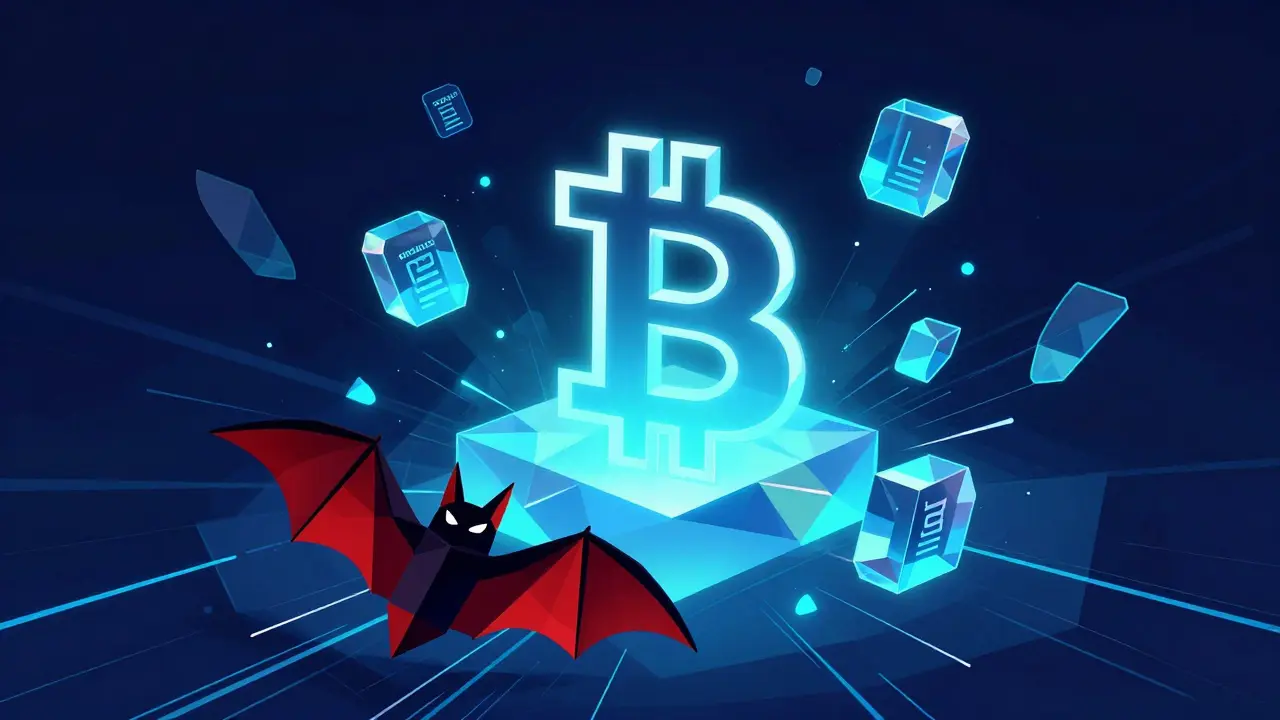
When you hear "Bitcoin," you probably think of a digital store of value. You don't usually picture it as a place for memes or video games. Yet, that is exactly where Drac (Ordinals) fits in. It is the first-ever BRC-20 token launched on the Bitcoin blockchain, marking a weird but significant moment in crypto history.
If you are wondering what this vampire-themed coin actually does, you are not alone. Most people assume it is just another joke coin like Dogecoin. While it has that playful energy, its technical backbone is different. It runs on Bitcoin itself, using a system called Ordinals to embed data directly into transactions. This article breaks down what DRAC is, how it works, and whether it has any real utility beyond the hype.
The Origin Story: How DRAC Became the First BRC-20 Token
To understand DRAC, you need to look at the timeline of Bitcoin innovations. In January 2023, software engineer Casey Rodarmor introduced the Ordinals protocol. Before this, Bitcoin was mostly used for sending money. Ordinals changed that by allowing users to attach arbitrary data-like images or text-to individual satoshis (the smallest unit of Bitcoin). This birthed the world of Bitcoin NFTs.
Then came March 2023. Developers realized they could use this same inscription technology to create fungible tokens, similar to how Ethereum uses ERC-20 tokens. They called this standard BRC-20. Unlike Ethereum tokens, which require complex smart contracts, BRC-20 tokens are created with simple lines of code inscribed onto the blockchain.
Drac was the very first token issued under this new BRC-20 standard in May 2023. Its name comes from Count Dracula, and the number 1260 is referenced in its lore because it is a "vampire number" in mathematics. Being the first mover gave DRAC historical significance. It proved that fungible tokens could exist on Bitcoin without Layer 2 solutions or sidechains. However, being first also means it faced the growing pains of an entirely new ecosystem.
How Does DRAC Work Technically?
The technical setup of DRAC is simpler than most other cryptocurrencies, but that simplicity comes with trade-offs. Here is how the mechanics work:
- Inscriptions: Instead of deploying a smart contract, creators write a JSON-like script containing token rules (like total supply and transfer logic) and inscribe it onto the Bitcoin blockchain.
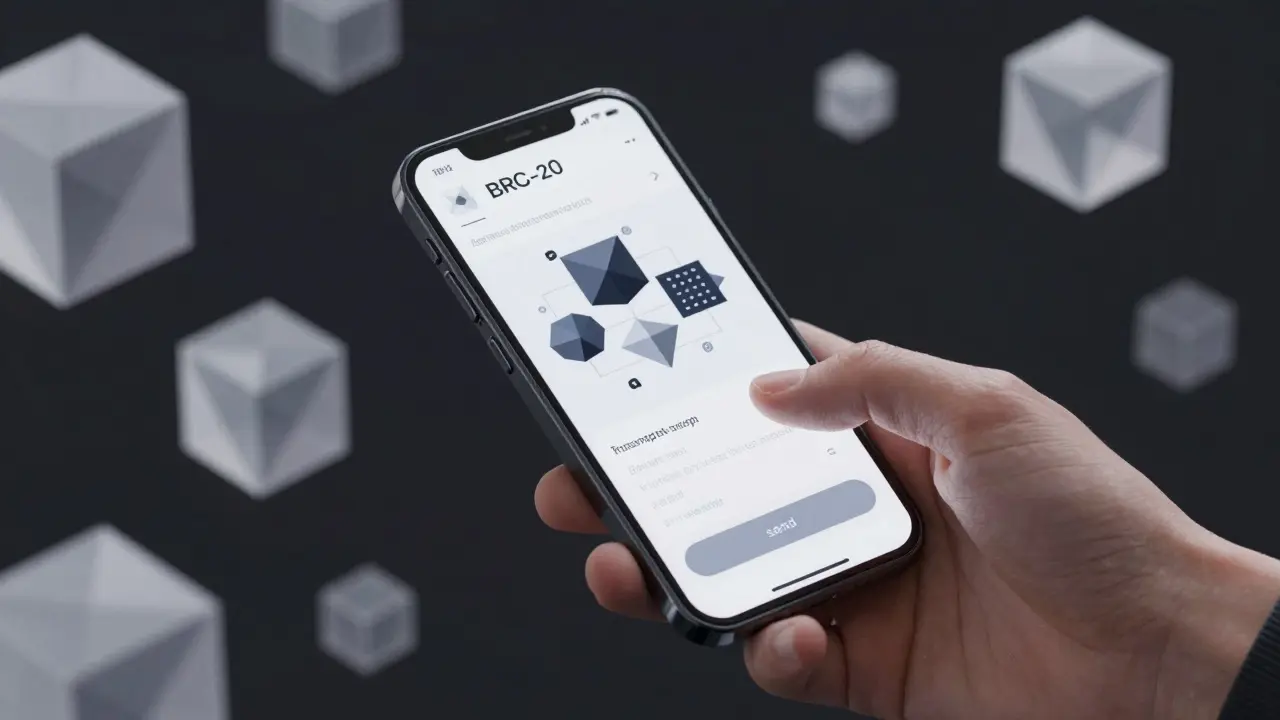
- Transfers: To send DRAC tokens, you do not click a "send" button in a traditional wallet app. You must create a transaction that includes an inscription saying "transfer X amount of DRAC." This makes sending tokens more manual and prone to user error.
- No Smart Contracts: Because there are no programmable smart contracts on native Bitcoin, DRAC cannot perform complex actions automatically. It relies on indexers-off-chain services that scan the blockchain to track who owns how many tokens.
This architecture means DRAC is lightweight. It does not clog up the network with heavy computation. However, it also lacks the flexibility of tokens on platforms like Ethereum or Solana. You cannot build decentralized applications (dApps) directly on top of DRAC in the same way you can with other ecosystems.
Utility Beyond the Meme: AetherGames Integration
A common criticism of meme coins is that they have zero utility. DRAC tries to counter this narrative through its integration with AetherGames. This project positions DRAC not just as a speculative asset, but as a ranking mechanism within a gaming ecosystem.
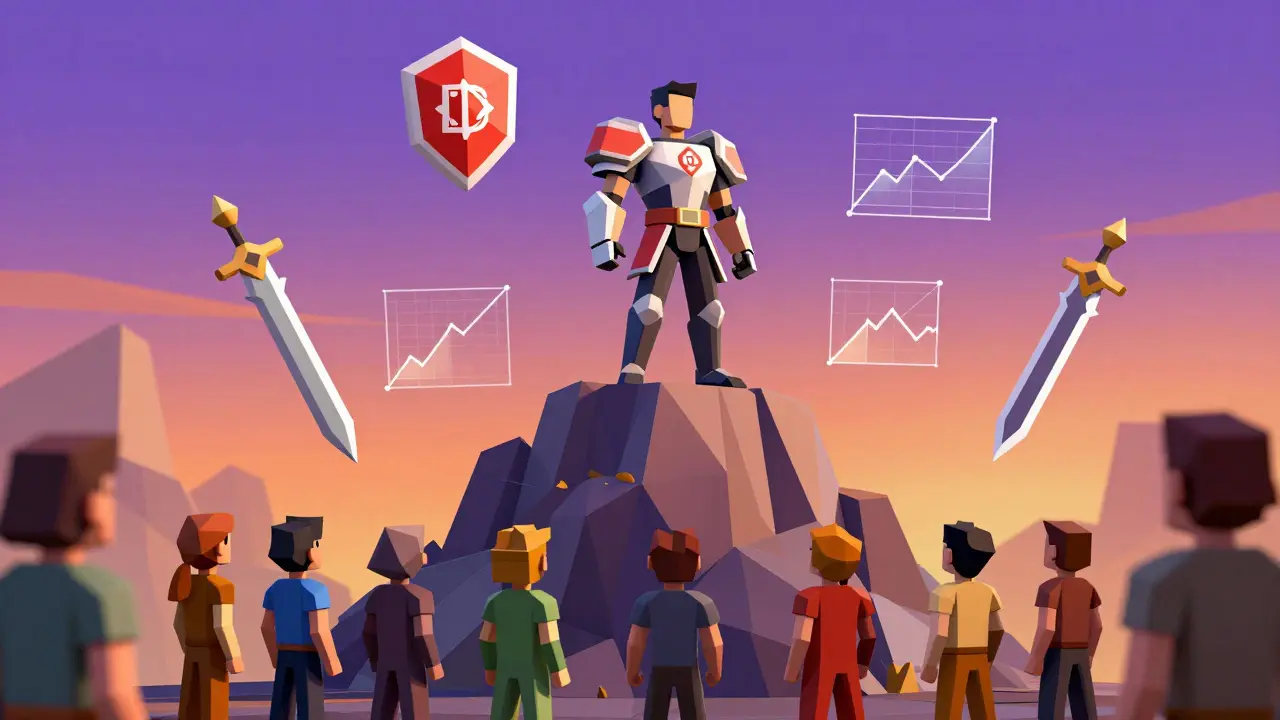
In the AetherGames universe, players compete for positions within the "Council of Heroes." Holding DRAC tokens influences your standing or access within this hierarchy. Think of it as a game-theoretic layer where token ownership translates to status or gameplay advantages. This gives holders a reason to keep their tokens rather than immediately selling them for profit.
However, it is important to manage expectations. The gaming aspect is still developing. Compared to established GameFi projects on other blockchains, the utility here is nascent. For now, the majority of DRAC's market activity is driven by speculation and its status as a pioneer in the BRC-20 space, rather than active gameplay revenue.
Market Performance and Volatility
If you are looking to buy DRAC, you need to understand its price behavior. Like most meme coins and early-stage crypto assets, DRAC is highly volatile. Let’s look at the numbers.
| Metric | Value |
|---|---|
| Total Supply | ~106.82 Million DRAC |
| All-Time High (ATH) | $0.04373 (Dec 2023) |
| All-Time Low (ATL) | $0.001004 (July 2023) |
| Current Price Range | $0.00075 - $0.0052 (varies by exchange) |
| Market Cap Rank | #3954 - #4681 |
The price history tells a story of extreme swings. After launching in May 2023, DRAC hit an all-time high of roughly $0.04 in December 2023. Since then, it has retraced significantly, dropping over 90% from its peak. This is typical for meme coins, which often see massive pumps followed by long periods of consolidation or decline.
Liquidity is another factor to consider. Most trading volume for DRAC happens on Gate.io. When liquidity is concentrated on one or two exchanges, slippage can be high. This means if you try to sell a large amount of DRAC quickly, the price might drop sharply before your order fills. Always check the depth of the order book before entering a position.
Risks and Limitations of BRC-20 Tokens
While the idea of putting tokens on Bitcoin is innovative, there are real risks involved. Here is what you should watch out for:
- High Transaction Fees: Since every transfer requires an inscription on the Bitcoin mainnet, fees depend on Bitcoin network congestion. During busy times, sending DRAC can cost dollars or even tens of dollars, making small transactions impractical.
- Complex User Experience: Using wallets that support Ordinals (like Unisat or Xverse) is different from using MetaMask. If you make a mistake in your inscription command, your tokens could be lost forever. There is no customer support to reverse a transaction.
- Regulatory Uncertainty: Regulators are still figuring out how to classify Bitcoin-based tokens. Because BRC-20 tokens sit in a gray area between NFTs and securities, future regulations could impact their tradability.
- Competition: Since DRAC was the first, hundreds of other BRC-20 tokens have launched. Many offer better branding, stronger communities, or more aggressive marketing. DRAC faces constant competition for attention and capital.
Additionally, the project's official online presence is relatively minimal. With limited documentation and a small development team visible publicly, investors must rely heavily on community sentiment rather than detailed roadmaps or technical whitepapers.
Is DRAC Worth Your Attention?
Whether DRAC is right for you depends on your risk tolerance and interest in Bitcoin innovation. If you are a collector of crypto history, owning some of the first BRC-20 tokens has sentimental value. If you believe in the long-term potential of Bitcoin becoming a platform for more than just payments, DRAC represents an early experiment in that direction.
However, if you are looking for stable growth or robust utility, DRAC may disappoint. Its gaming integration is still in early stages, and its price action remains dominated by speculation. It is essential to treat any investment in DRAC as high-risk. Never invest more than you can afford to lose, and always do your own research before interacting with Ordinals wallets.
Can I buy DRAC on Coinbase or Binance?
As of now, major centralized exchanges like Coinbase and Binance do not list DRAC. Trading primarily occurs on smaller exchanges like Gate.io or through peer-to-peer transfers using Ordinals-compatible wallets. Always verify the current listing status on CoinMarketCap or CoinGecko before attempting to trade.
What is the difference between DRAC and regular Bitcoin?
Bitcoin (BTC) is the native currency of the network. DRAC is a token built on top of Bitcoin using the BRC-20 standard. While BTC is used for value transfer and store of value, DRAC is a secondary asset that relies on Bitcoin's security but has its own supply and utility rules defined by inscriptions.
Do I need a special wallet to hold DRAC?
Yes. Standard Bitcoin wallets like Ledger or Trezor (in basic mode) may not display BRC-20 tokens. You need an Ordinals-compatible wallet such as Unisat, Xverse, or Leather to view and manage your DRAC balance. These wallets can read the inscriptions on the blockchain to track your token holdings.
Is DRAC a safe investment?
No cryptocurrency is guaranteed safe, but DRAC carries higher-than-average risk. It is a meme coin with limited utility, high volatility, and low liquidity compared to major assets. Additionally, the complexity of Ordinals transactions increases the risk of user error leading to permanent loss of funds.
What is the maximum supply of DRAC?
The total supply of DRAC is fixed at approximately 106.82 million tokens. This supply was defined in the initial BRC-20 inscription and cannot be changed. All circulating tokens are tracked via blockchain indexers that monitor these specific inscriptions.