Blockchain Technology: Foundations, Scaling, and Real‑World Uses
When working with Blockchain Technology, a decentralized ledger that records transactions across many computers. Also known as distributed ledger tech, it enables trust‑less interactions without a central authority. Consensus Algorithms, the rules that determine how nodes agree on the state of the ledger, are the heartbeat of any blockchain. Layer 2 Scaling, off‑chain protocols that boost transaction speed and cut fees, extend the base chain’s capacity. Smart Contracts, self‑executing code that runs automatically when conditions are met, turn simple transactions into programmable agreements. Finally, Tokenization, the process of converting real‑world assets into digital tokens on a blockchain, opens new markets for ownership and trade.
Understanding these pieces helps answer core questions: Blockchain Technology encompasses Consensus Algorithms, because without a way to reach agreement the ledger can’t stay consistent. It requires Cryptographic Hash Functions, which lock data into immutable blocks and enable fast verification. Layer 2 solutions influence Transaction Costs, as they move most activity off the main chain, dramatically lowering gas fees. Meanwhile, Smart Contracts enable Decentralized Finance, where Tokenization gives fractional ownership of assets like real estate or art. The evolution from Proof‑of‑Work to Proof‑of‑Stake, and now to hybrid models like Avalanche, shows how consensus design directly impacts energy use and network security. Sharding versus Layer 2 debates illustrate the trade‑off between on‑chain data distribution and off‑chain throughput, each fitting different use cases—from high‑frequency trading to long‑term data storage.
Below you’ll find a curated set of guides that walk through each of these topics in depth. Whether you’re curious about hash rate dynamics, want a step‑by‑step look at Bitcoin mining, or need practical advice on building state channels, the articles cover both theory and hands‑on examples. Explore how blockchain reshapes real‑estate deals, charity donations, voting systems, and cross‑chain interoperability. Each piece breaks down complex ideas into clear, actionable steps, so you can see how the technology works today and where it’s headed tomorrow. Dive in to see the full range of coverage and start applying these insights to your own projects.

Digital Rights Management Using Blockchain: How It Works & Benefits
Discover how blockchain transforms Digital Rights Management by automating royalties, ensuring transparent ownership, and reducing costs for creators and businesses alike.
Read More
How to Switch Mining Pools: Step-by-Step Guide for Max Profit
Learn how to switch mining pools to boost profits. This guide covers technical setup, payout methods, and monitoring tips to ensure a smooth transition.
Read More
Cost of Blockchain-as-a-Service in 2026: Pricing Models, Hidden Fees & ROI
Discover the true cost of Blockchain-as-a-Service in 2026. We break down pricing models, hidden fees, and provider comparisons to help you budget accurately for your enterprise blockchain project.
Read More
How Merkle Trees Verify Blockchain Data: A Simple Guide to Cryptographic Integrity
Learn how Merkle Trees verify blockchain data efficiently using cryptographic hashes. Discover the mechanics of Merkle Roots, SPV wallets, and why this structure is vital for Bitcoin and Ethereum security.
Read More
The Future of Blockchain Privacy Technology: ZK-Proofs, AI, and Regulation in 2026
Explore the 2026 future of blockchain privacy, covering zk-STARKs, quantum-resistant crypto, and regulatory impacts on decentralized identity.
Read More
How Encryption Secures Cryptocurrency Transactions: A Simple Guide
Discover how encryption secures cryptocurrency transactions using public/private keys, hashing, and digital signatures. Learn why blockchain security is mathematically robust.
Read More
What is Decentralized Identity? A Simple Guide to User-Controlled Digital ID
Learn what decentralized identity is, how it uses blockchain to give you control over your data, and why it's safer than traditional centralized systems.
Read More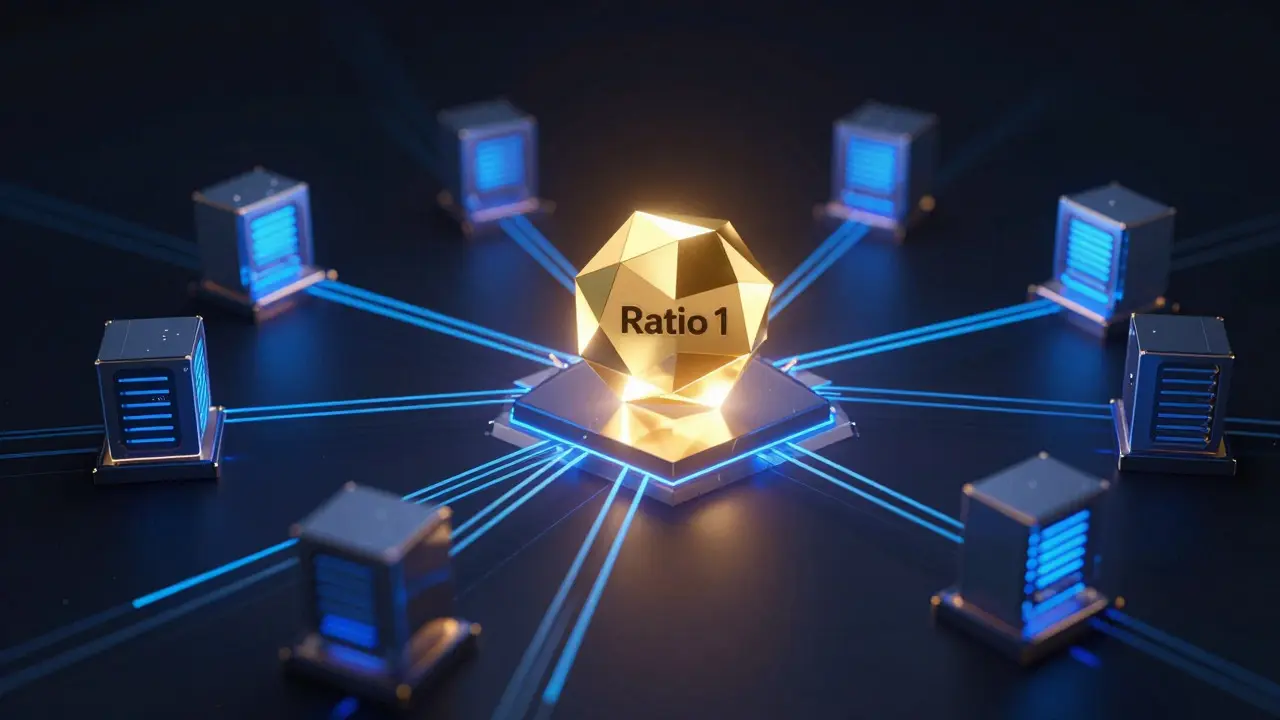
What is Ratio1 (R1)? A Deep Dive into the Decentralized AI Compute Token
Discover what Ratio1 (R1) is, a utility token powering a decentralized AI compute network on Base. Learn about its tokenomics, license system, and role in the AI infrastructure space.
Read More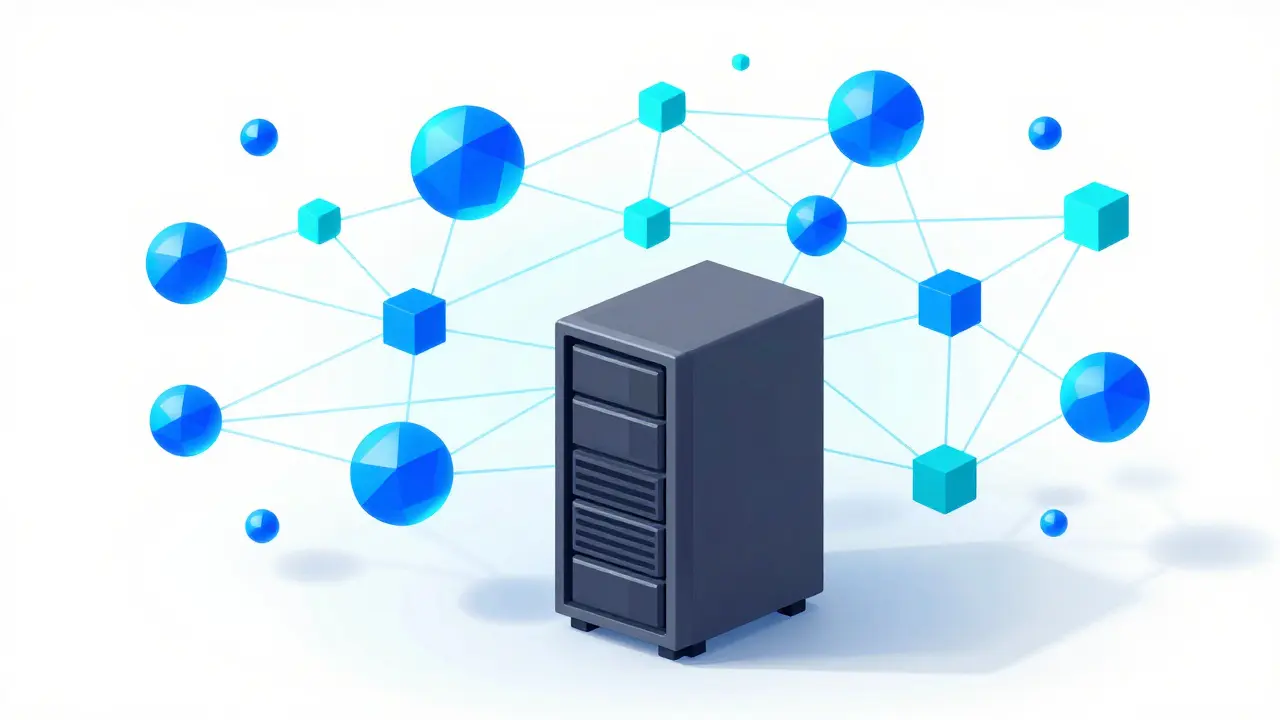
What are Decentralized Applications (dApps)? A Simple Guide to Web3 Software
Learn what decentralized applications (dApps) are, how they differ from traditional apps, and their role in Web3. Discover real-world examples, benefits, risks, and how to get started.
Read More
What is Nimbus AI (NAI)? Token Utility, Price Risks, and Platform Review
Explore Nimbus AI (NAI), a privacy-focused crypto token powering decentralized messaging. Learn about its utility, Matrix protocol tech, low liquidity risks, and price volatility in 2026.
Read More
What is Medicle (MDI)? A Deep Dive into the ICP-Based Health Crypto
Explore Medicle (MDI), a Web3 healthcare token on the Internet Computer Protocol. Learn about its DNA data features, tokenomics, and high-risk status.
Read More
Environmental Impact of NFT Art: Energy Use, Blockchain Shifts & Green Solutions
Explore the real environmental impact of NFT art, from high-energy Proof-of-Work chains to the game-changing Ethereum Merge. Learn which blockchains are truly eco-friendly and how to make sustainable choices.
Read More