Bitcoin Asset (BTA) Airdrop Guide: Claiming Your CoinMarketCap Tokens
You probably saw the notification pop up on your phone or email: Bitcoin Asset is running an airdrop. It sounds like free money, right? But before you rush to connect your wallet and sign every transaction that appears, let's pause. Not all airdrops are created equal, and some require more legwork than others. This guide breaks down exactly what the Bitcoin Asset (BTA) airdrop via CoinMarketCap entails, how to verify it’s legit, and the step-by-step process to ensure you actually get those tokens in your wallet.
What Exactly Is the Bitcoin Asset Airdrop?
An airdrop is essentially a marketing strategy where a cryptocurrency project distributes free tokens to users' wallets. Think of it as a digital flyer drop, but instead of paper coupons, you get actual coins that might hold value later. The Bitcoin Asset project, often referred to by its ticker BTA, has partnered with major platforms like CoinMarketCap to distribute these tokens to early adopters and active traders.
Why do they do this? It builds community buzz. When thousands of people suddenly have BTA in their wallets, they’re more likely to talk about it, trade it, and keep the network alive. For you, the user, it’s a chance to acquire assets without spending upfront capital. However, the catch is usually time and attention. You need to prove you’re a real human, not a bot farm, and sometimes you need to perform specific actions on the exchange or platform hosting the airdrop.
Verifying Legitimacy Before You Click
The crypto space is rife with scams. If you receive a link saying "Claim your BTA now!" via DM on Telegram or Twitter, be skeptical. Scammers love piggybacking on popular names like Bitcoin. Here is how you distinguish the real deal from a phishing attempt:
- Check the Source: Always go directly to the official CoinMarketCap website or app. Do not click links in unsolicited emails or social media messages unless you initiated the search.
- Contract Address Verification: Legitimate projects publish their smart contract address on sites like Etherscan or BscScan. Copy-paste the address provided in the official announcement and check if it matches the one listed on reputable data aggregators.
- No Private Key Requests: A genuine airdrop never asks for your private key or seed phrase. If a site asks you to enter your 12-word recovery phrase to "validate" your claim, close the tab immediately. That’s a wallet drainer.
For the Bitcoin Asset project specifically, look for announcements pinned on their official X (formerly Twitter) account and cross-reference them with CoinMarketCap’s official blog or newsletter. Consistency across these channels is your best defense against fake drops.
Step-by-Step: How to Claim Your BTA Tokens
Assuming you’ve verified the airdrop is live, here is the typical workflow for claiming tokens through a partnership with CoinMarketCap. Note that exact steps can vary slightly depending on whether the distribution is happening via a snapshot (automatic) or a manual claim portal.
- Prepare Your Wallet: Ensure you have a Web3-compatible wallet installed, such as MetaMask, Trust Wallet, or Coinbase Wallet. Make sure you have a small amount of native gas fees (like ETH for Ethereum-based tokens or BNB for Binance Smart Chain) to cover the transaction cost of claiming.
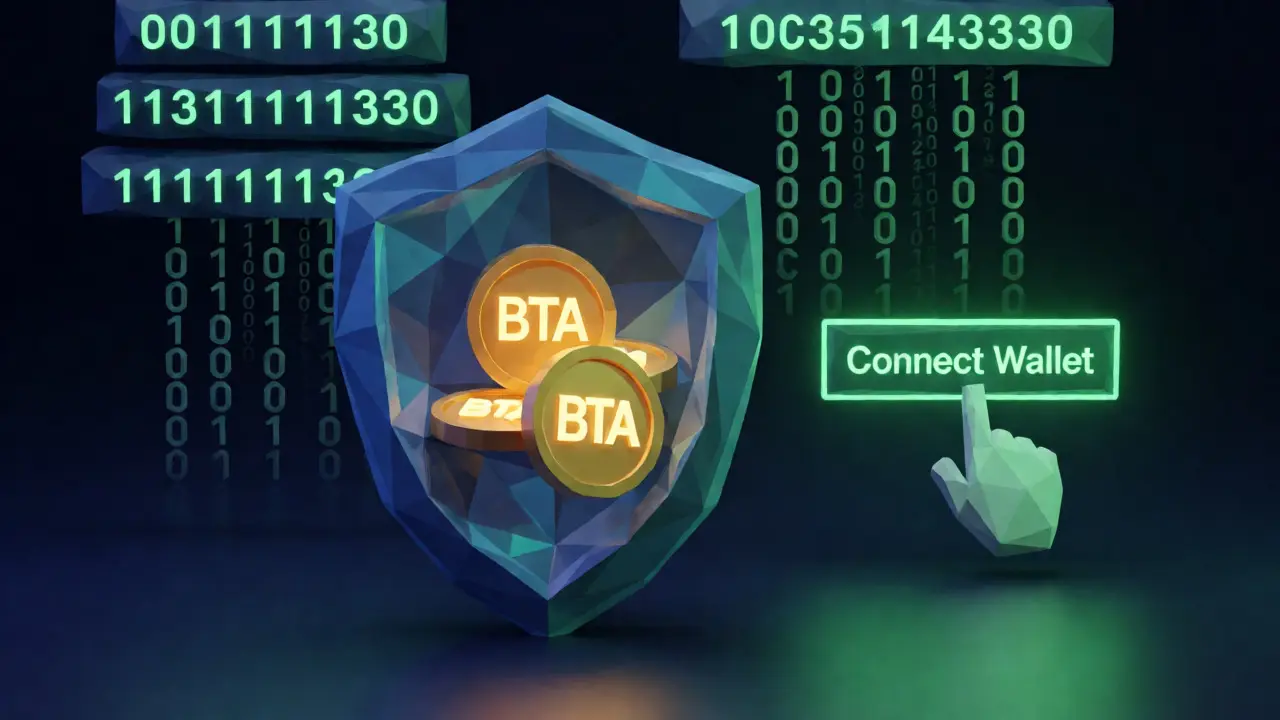
- Connect to the Official Portal: Navigate to the specific campaign page on CoinMarketCap or the Bitcoin Asset official site. Look for a button labeled "Connect Wallet." Click it and approve the connection request in your wallet extension or app.
- Verify Eligibility: The system will scan your wallet address to see if you qualify. This might involve checking if you held a certain amount of another token at a specific date (a snapshot) or if you completed tasks like following social media accounts.
- Sign the Claim Transaction: If eligible, you’ll see a "Claim" button. Clicking it triggers a blockchain transaction. Review the gas fee estimate. If it looks reasonable, confirm the signature in your wallet.
- Add Token to Wallet: Sometimes, the tokens arrive but don’t show up automatically because your wallet doesn’t recognize the new contract. Use the "Import Token" feature in your wallet and paste the official BTA contract address to make the balance visible.
Common Pitfalls and How to Avoid Them
Even when doing everything right, things can go wrong. Here are the most frequent issues users face during airdrop claims and how to fix them quickly.
| Issue | Likely Cause | Solution |
|---|---|---|
| Transaction Failed | Insufficient Gas Fees | Add more ETH/BNB to your wallet and retry. |
| Tokens Not Visible | Contract Not Added | Manually import the BTA contract address into your wallet. |
| "Not Eligible" Message | Snapshot Date Missed | Check if you met the holding requirements before the cutoff date. |
| Wrong Network Selected | Network Mismatch | Switch your wallet to the correct chain (e.g., Ethereum vs. BSC). |
One critical detail often overlooked is the network. Bitcoin Asset could be issued on Ethereum, Binance Smart Chain, or even a proprietary layer. If you try to claim an ERC-20 token while your wallet is set to Polygon, the transaction will fail or send funds to a dead end. Always double-check the network specified in the official instructions.

What To Do After You Claim
So, you’ve got your BTA tokens. Now what? Many beginners panic-sell immediately, thinking quick profit is better than long-term potential. Others hold forever, hoping for a moonshot. Both strategies have risks.
If you believe in the project’s roadmap, consider staking. Some newer projects offer yield opportunities where you lock your tokens to earn rewards. Check the Bitcoin Asset documentation to see if staking pools are available. If not, simply holding in a secure hardware wallet is safer than leaving large amounts on an exchange.
Conversely, if the market sentiment is bearish or the project lacks clear utility, selling a portion to recover any initial investment (if you paid gas fees) isn’t a bad move. Remember, an airdrop is a gift, but it’s also a test of your patience and research skills. Don’t let FOMO (Fear Of Missing Out) dictate your next move.
Frequently Asked Questions
Is the Bitcoin Asset airdrop really free?
Yes, the tokens themselves are distributed for free. However, you must pay blockchain network fees (gas fees) to execute the claim transaction. These fees vary depending on network congestion but are typically between $1 and $20 for standard chains.
Do I need to trade on CoinMarketCap to qualify?
It depends on the specific campaign rules. Some airdrops require a minimum trading volume or number of trades within a set period. Other campaigns use a snapshot method where merely holding a related token qualifies you. Always read the specific eligibility criteria on the campaign page.
How long does it take for BTA tokens to appear in my wallet?
Once the claim transaction is confirmed on the blockchain, which usually takes seconds to minutes, the tokens should be there. If they aren't visible, you likely need to manually add the BTA contract address to your wallet's token list.
Can I lose my airdrop if I miss the deadline?
In most cases, yes. Airdrop campaigns have strict start and end dates. Once the claim window closes, unclaimed tokens are often returned to the project treasury or burned. Keep track of deadlines in your calendar.
Is Bitcoin Asset the same as Bitcoin Cash or Bitcoin SV?
No. While the name includes "Bitcoin," Bitcoin Asset (BTA) is a distinct cryptocurrency project. It is not a fork of the original Bitcoin network like Bitcoin Cash (BCH) or Bitcoin SV (BSV). Treat it as a separate asset with its own technology and team.