
China's Complete Crypto Ban: What It Means for Bitcoin Holders in 2026
Imagine waking up to a notification that your country has just outlawed the asset you’ve been holding for years. For millions of people connected to China’s financial ecosystem, this isn’t a hypothetical scenario-it’s the reality they have navigated since 2021. If you are a Bitcoin holder with ties to China, or simply an investor watching global markets, understanding the nuances of Beijing’s complete cryptocurrency ban is critical. It’s not just about what is illegal; it’s about how enforcement works, where the risks lie, and why rumors still cause market panic.
The landscape hasn’t changed overnight, but the implications for individual holders have deepened. With the rise of the Digital Yuan and stricter anti-money laundering (AML) protocols, the gap between official policy and on-the-ground behavior is narrowing. Let’s break down exactly what this means for your holdings, your bank accounts, and your future strategy.
The Evolution of the Ban: From Warning to Wall
To understand where we stand in 2026, we need to look at how China built its regulatory wall. It wasn’t a single event but a series of escalating moves designed to strip cryptocurrency of any legal or practical utility within Chinese borders.
In 2013, authorities initially defined Bitcoin as a virtual commodity rather than legal tender. This was a cautious stance, restricting banks from handling it but leaving room for peer-to-peer trading. By September 2017, that caution vanished. Regulators banned Initial Coin Offerings (ICOs) and forced domestic exchanges like Huobi and OKEx to relocate overseas. This effectively dismantled the public trading infrastructure inside China.
The final nail in the coffin came on May 21, 2021. The Financial Stability and Development Committee of the State Council issued a directive that explicitly targeted "Bitcoin mining and trading behavior." This wasn’t a suggestion; it was a mandate to crack down on both operations. Mining farms were shut down, electricity costs for remaining miners skyrocketed, and trading platforms were blocked by internet service providers. Today, all crypto-related business activities-including exchange services, derivatives trading, and even providing payment channels for crypto-are strictly illegal.
| Date | Action | Impact on Holders |
|---|---|---|
| 2013 | Bitcoin defined as virtual commodity | Banks restricted from processing transactions |
| Sept 2017 | Ban on ICOs and domestic exchanges | Trading platforms forced offshore; liquidity dropped |
| May 2021 | Crackdown on mining and trading | Mining halted; P2P trading risk increased significantly |
| 2024-2025 | Enhanced AML monitoring & CBDC rollout | Bank account freezes for suspicious crypto links |
What the Ban Actually Prohibits
It is easy to assume that "ban" means you cannot own Bitcoin. Technically, that is not entirely accurate. Owning Bitcoin is not explicitly criminalized for individuals in the same way operating an exchange is. However, the ecosystem required to buy, sell, or use it has been systematically dismantled. Here is what is strictly prohibited:
- Crypto Exchange Services: Any platform facilitating the trade of cryptocurrencies for fiat currency (like the Renminbi) is illegal if it serves Chinese residents.
- Financial Institution Involvement: Banks and non-bank payment providers (like Alipay and WeChat Pay) are forbidden from opening accounts or settling transactions related to crypto.
- Internet Content: Tech giants like Tencent and Alibaba must block access to crypto websites and report related content.
- Overseas Exchanges Serving Locals: International platforms are banned from offering services to citizens within mainland China.
This creates a paradox. You might hold Bitcoin in a private wallet, but you cannot legally convert it back into spendable cash through traditional banking channels without triggering alarms. The Ministry of Public Security has identified virtual currencies as a major channel for money laundering, meaning every transaction involving crypto-linked funds is subject to intense scrutiny.
The Reality Check: Policy vs. Practice
Here is where things get complicated. Despite the comprehensive ban, industry observations suggest that trading cryptocurrency on the Chinese Mainland remains "quite common." Why? Because demand doesn’t disappear when supply chains are cut; it goes underground.
Many holders rely on Peer-to-Peer (P2P) networks or decentralized finance (DeFi) protocols that don’t require centralized intermediaries. However, this convenience comes with severe risks. The People’s Bank of China (PBOC) issued notices in 2024 reiterating that cryptocurrencies are not legal tender. While these laws have proven "less effective" in stopping small-scale trading, they have empowered banks to act aggressively against larger flows of capital.
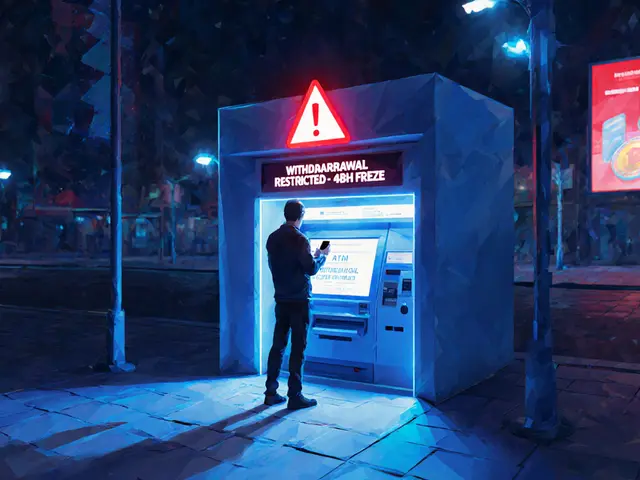
If you are a Bitcoin holder using a Chinese bank account, you face a tangible threat: account freezing. Banks are now equipped with sophisticated monitoring systems that combine online tracking with offline inspections. If your account shows patterns consistent with OTC (over-the-counter) crypto trades-such as frequent transfers from unrelated individuals-the bank can freeze your assets pending investigation. There is no legal recourse for you in this scenario because the activity itself violates regulatory guidelines.

The Digital Yuan: The State’s Alternative
China didn’t ban crypto just to ban it. The government sees value in blockchain technology but wants to retain control over monetary policy. Enter the Digital Currency Electronic Payment (DCEP), also known as the Digital Yuan.
This Central Bank Digital Currency (CBDC) is being rolled out across major cities and integrated into daily payment systems. Unlike Bitcoin, which is decentralized and anonymous, the Digital Yuan is fully traceable and controlled by the state. It offers the speed and efficiency of digital payments without the volatility or regulatory escape hatch of cryptocurrencies.
For Bitcoin holders, the rise of the Digital Yuan signals a long-term strategic shift. The government is building a parallel financial system that makes traditional crypto less necessary for everyday transactions. As more merchants and users adopt the Digital Yuan, the utility of holding volatile assets like Bitcoin for daily spending in China diminishes further. It reinforces the narrative that crypto is speculative and risky, while the state-backed alternative is safe and compliant.
Rumors, Panic, and Market Manipulation
In 2025, social media erupted with false reports claiming China had implemented new, even stricter bans on cryptocurrency. These rumors spread rapidly via Telegram and high-profile accounts on X (formerly Twitter), including posts from Elon Musk. Major financial news aggregators like FirstSquawk and Unusual Whales amplified the noise, causing temporary price dips in Bitcoin and other altcoins.
These reports were definitively debunked as fake news. No new legislation was passed. Yet, the incident highlights a persistent vulnerability: the market’s sensitivity to Chinese policy changes. Every year since 2016, similar rumors have circulated, testing the nerves of investors globally. For Bitcoin holders, the lesson is clear: do not react to unverified social media claims. Always check primary sources like the State Council or PBOC announcements before making move your assets.

Risks for Bitcoin Holders in 2026
If you are holding Bitcoin and have connections to China, here are the specific risks you need to manage:
- Bank Account Freezes: This is the most immediate danger. Even small amounts of crypto-related income can trigger automated flags in Chinese banking systems. Once frozen, unfreezing funds can take months and may result in permanent blacklisting.
- Lack of Legal Recourse: If you lose funds in a scam or a failed trade, Chinese courts will not assist you. Since crypto activities are illegal, there is no legal framework to protect your investment.
- Tax Implications: While crypto gains aren’t taxed directly (because they’re unrecognized), converting them to fiat through informal channels can be interpreted as tax evasion or illegal business operation, leading to heavier penalties.
- Travel Restrictions: Individuals involved in large-scale crypto trading or mining may find their travel documents restricted, preventing them from leaving the country until investigations are closed.
Strategic Advice for Navigating the Landscape
You don’t have to give up Bitcoin, but you must adapt your strategy. Here is how seasoned investors are navigating the current environment:
Separate Your Finances: Never mix crypto proceeds with your primary Chinese bank accounts. Use offshore banking solutions if you are eligible, or rely on non-custodial wallets for storage. Keep your local life and your crypto life completely siloed.
Avoid P2P Platforms Linked to Local Banks: While P2P trading is common, using platforms that integrate directly with Chinese payment apps (Alipay/WeChat) increases your exposure to surveillance. Decentralized exchanges (DEXs) offer more privacy but require higher technical expertise.
Monitor Regulatory Updates: Follow official statements from the PBOC and the National Development and Reform Commission. Ignore the noise on social media. Real policy changes come through government gazettes, not tweets.
Consider the Long Term: Ask yourself why you hold Bitcoin. If it’s for speculation, the risks in China may outweigh the rewards. If it’s for portfolio diversification and hedge against inflation, ensure your custody methods are secure and independent of the Chinese financial system.
Conclusion: Caution is Key
China’s complete crypto ban is not going away anytime soon. The government’s commitment to the Digital Yuan and its strict AML frameworks show a long-term vision for a controlled digital economy. For Bitcoin holders, this means operating in a gray zone where possession isn’t illegal, but interaction with the formal financial system is fraught with peril.
The key to surviving this environment is education and discretion. Understand the rules, respect the boundaries, and never let fear-driven rumors dictate your actions. By keeping your finances separate and staying informed, you can navigate the complexities of holding Bitcoin in a world where one of the largest economies stands firmly against it.
Is owning Bitcoin illegal in China?
Owning Bitcoin is not explicitly criminalized for individuals, but all commercial activities related to it, such as trading, mining, and exchanging for fiat currency, are strictly prohibited. Engaging in these activities can lead to severe penalties, including bank account freezes.
Can I use Chinese banks to buy or sell crypto?
No. Chinese banks and payment providers like Alipay and WeChat Pay are banned from facilitating any cryptocurrency-related transactions. Attempting to do so can result in your account being frozen or permanently closed.
Will China ever lift the crypto ban?
It is unlikely in the near future. The Chinese government is heavily investing in its own Central Bank Digital Currency (Digital Yuan) and views decentralized cryptocurrencies as a threat to financial stability and capital controls.
What happens if my bank account is frozen due to crypto?
If your account is frozen, you must contact the bank and potentially law enforcement to resolve the issue. This process can take months, and there is no guarantee your funds will be released, especially if the transactions are deemed illegal.
Are the rumors about new crypto bans in 2025 true?
No. Rumors circulating in 2025 about additional crypto bans were debunked as fake news. The existing regulations from 2021 remain in effect, with enhanced enforcement through better monitoring technologies.
How does the Digital Yuan affect Bitcoin holders?
The Digital Yuan provides a state-controlled alternative to crypto, reducing the need for decentralized assets in daily transactions. Its widespread adoption reinforces the government's preference for regulated digital currency over Bitcoin.