
Future of Metaverse Technology: How Blockchain Is Shaping the Next Digital Frontier
The metaverse isn’t just a buzzword anymore. By 2025, it’s a working ecosystem where people shop in virtual malls, attend concerts with friends from Tokyo or Lagos, and even hold board meetings inside 3D offices built on blockchain. But here’s the truth: most of the hype has faded. What’s left is something real - and it’s powered by blockchain.
Why Blockchain Is the Backbone of the Metaverse
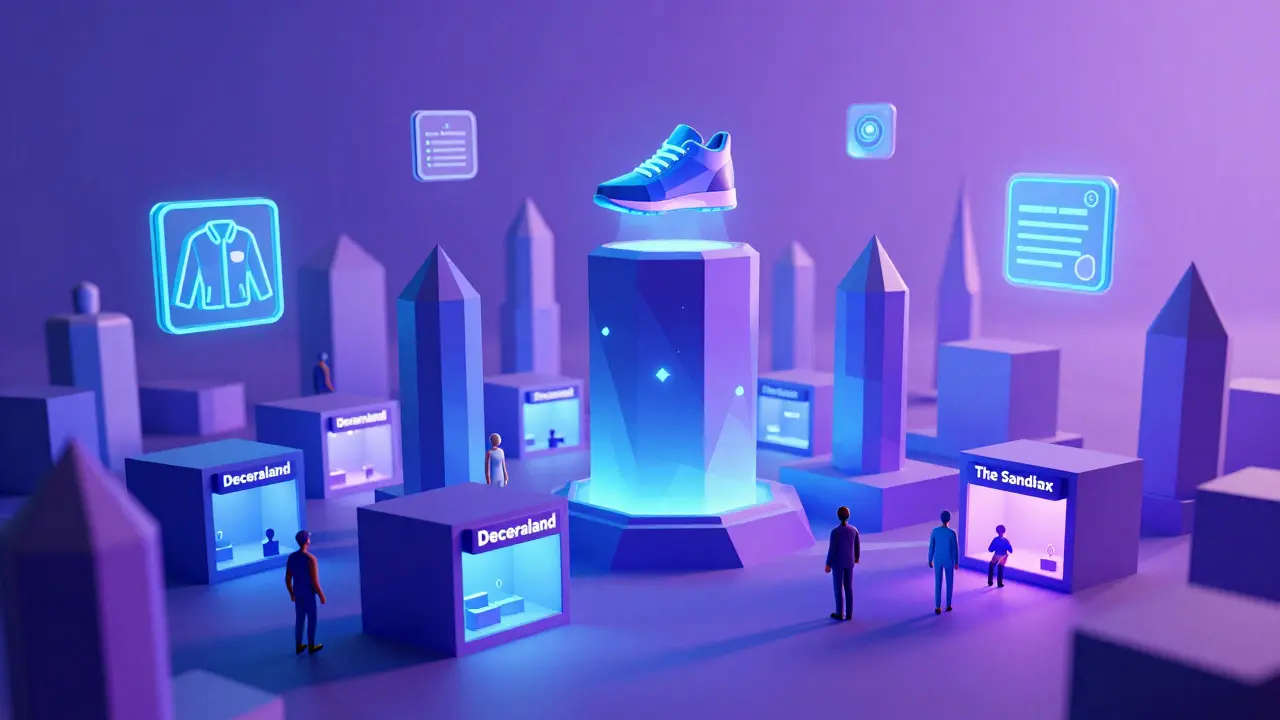
Without blockchain, the metaverse would just be a fancy video game. You couldn’t own anything. You couldn’t sell your digital jacket for real money. You couldn’t move your avatar from one platform to another without losing everything you bought. Blockchain fixes that. It gives users real ownership through NFTs - non-fungible tokens that act like digital deeds. If you buy a pair of virtual sneakers in Decentraland, that NFT proves you own it, not the company. And because it’s on the blockchain, no one can delete it, take it away, or lock it behind a paywall. That’s not possible in Roblox, Fortnite, or Meta’s Horizon Worlds. This isn’t theory. In 2024, over $2.3 billion in NFTs were traded across metaverse platforms. Brands like Nike, Gucci, and Adidas didn’t just make digital clothes - they built entire stores on Ethereum and Polygon. These aren’t gimmicks. They’re revenue streams. One fashion brand reported 37% of its 2025 Q1 digital sales came from metaverse-only customers.The Seven Tech Pillars - And Why Blockchain Leads Them
The metaverse doesn’t run on one thing. It’s built on seven key technologies:- Blockchain and cryptocurrency
- AR and VR
- Artificial Intelligence
- 3D reconstruction
- IoT
- Edge computing
- 5G
Interoperability: The Real Game Changer
One of the biggest complaints about the metaverse? You can’t take your stuff from one world to another. That’s changing - and blockchain is why. Standards like ERC-721 and ERC-1155 (blockchain token protocols) let developers build items that work across platforms. Want to wear your NFT jacket from The Sandbox in a virtual concert on Spatial? If both platforms support the same standard, you can. No re-buying. No loss. This is huge. It turns the metaverse from a collection of walled gardens into one open digital economy. Companies like Microsoft and NVIDIA are now building tools that let developers plug their assets into multiple metaverses using blockchain as the common language.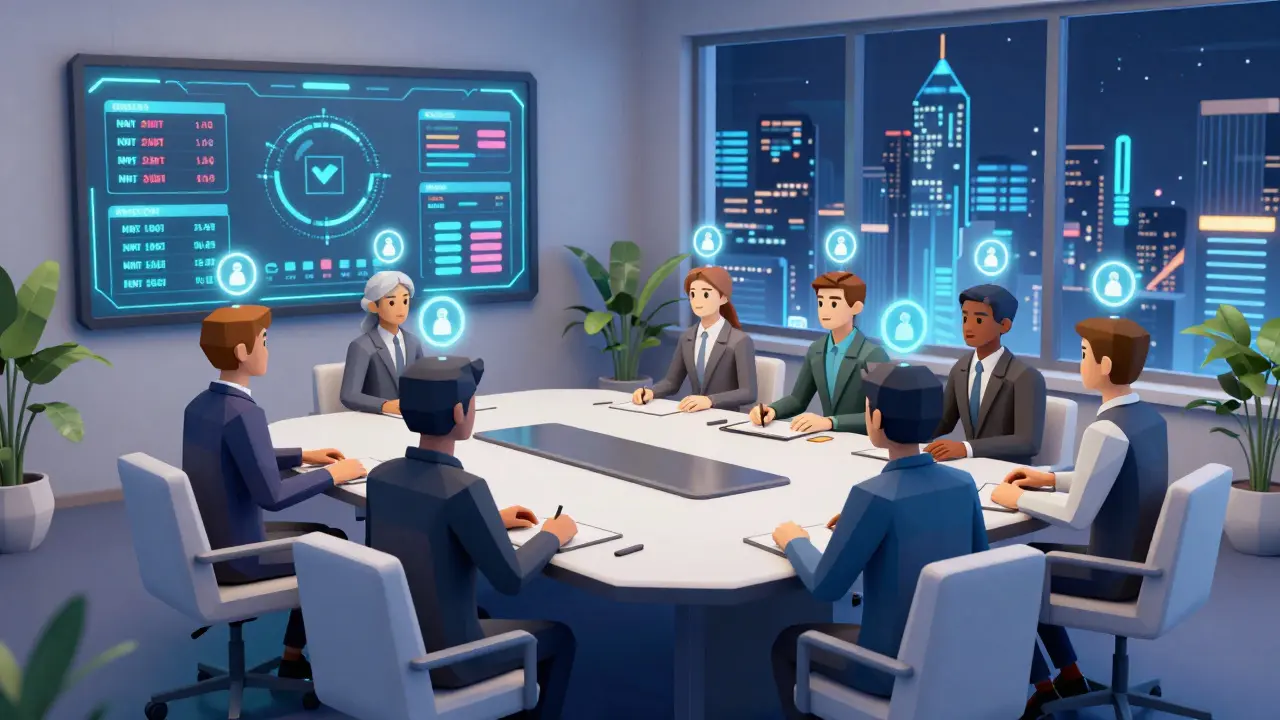
AI + Blockchain: The Smart Metaverse
AI is making avatars smarter, chatbots more helpful, and virtual worlds more responsive. But AI alone can’t handle ownership, payments, or identity. Combine AI with blockchain, and you get something powerful: self-sovereign digital identities. Imagine logging into a virtual job interview with an AI assistant that knows your skills, your past work in the metaverse, and your verified NFT credentials - all stored on a blockchain you control. No corporate profile. No third-party login. Just you, your data, and your proof of experience. This isn’t sci-fi. Startups like Polygon ID and Civic are already testing blockchain-based digital IDs for metaverse access. In 2025, several universities in Europe and Asia started issuing diplomas as NFTs - usable in virtual career fairs.Hardware Is Getting Better - But Blockchain Makes It Worth It
Yes, VR headsets are still bulky. Yes, AR glasses are expensive. But here’s what’s changing: people are buying them now because they have something to do inside. In 2023, Meta’s Quest 3 sold mostly to gamers. In 2025, nearly 40% of buyers said they got it for work or shopping in the metaverse. Why? Because they could earn money. One user in Dublin started selling custom 3D art as NFTs in Decentraland. Within six months, he made more than his part-time job. Hardware is getting cheaper. Apple’s rumored AR glasses, expected in late 2026, will be lightweight and affordable. But without blockchain-backed ownership, even the best glasses would feel empty. You’d just be looking at digital decorations - not assets you control.Regulation Is Coming - And Blockchain Helps
Governments are nervous. Who’s liable if someone gets scammed in a virtual store? Who taxes digital land sales? How do you stop fraud when assets are anonymous? The answer isn’t to shut it down. It’s to regulate it - and blockchain makes that easier. The EU’s MiCA law (Markets in Crypto-Assets) now includes metaverse transactions. In the U.S., the SEC has started treating NFTs as securities when they promise profits. That’s not bad news - it’s clarity. Companies can now build compliant metaverse experiences. Banks are starting to offer crypto custody for metaverse businesses. Insurance firms are designing policies for virtual theft. Blockchain doesn’t solve everything. But it gives regulators something they can track, audit, and verify. That’s the first step toward legitimacy.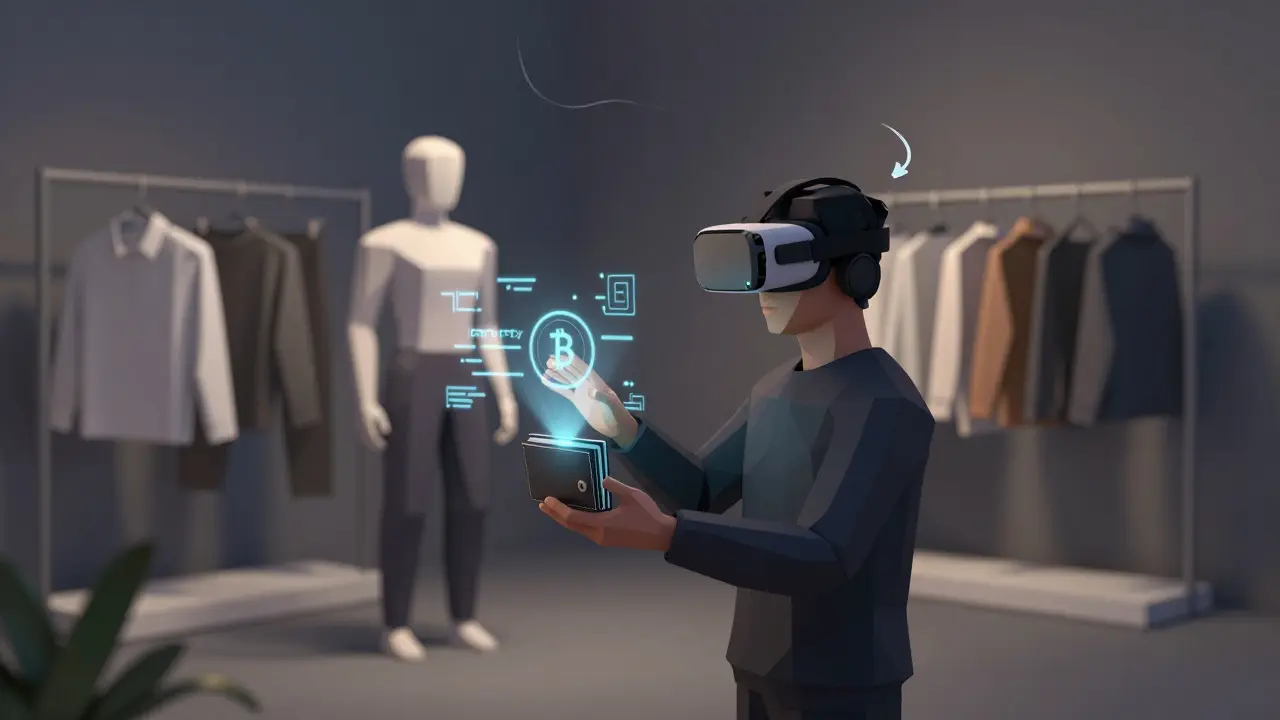
Who’s Winning - And Who’s Falling Behind
The biggest players aren’t just building metaverses. They’re building ecosystems. - Meta still leads in user numbers, but its closed system limits true ownership. Its Metaverse is a theme park - fun, but you can’t take your souvenirs home. - Microsoft is quietly winning in enterprise. Its Mesh platform lets companies host virtual meetings with NFT badges, digital whiteboards, and secure blockchain authentication. - Decentraland and The Sandbox are the only platforms where users own land, build businesses, and earn real income - all powered by Ethereum and Polygon. - Startups like Spatial and Roblox are experimenting with hybrid models. But without blockchain, they’re just playing catch-up. The winners in 2026 won’t be the ones with the fanciest graphics. They’ll be the ones who let users own, trade, and profit.What’s Next? Three Real Predictions for 2027
Forget the hype. Here’s what’s actually going to happen:- Metaverse jobs will become real careers. By 2027, over 500,000 people will earn their primary income from building, managing, or selling in the metaverse. Think 3D designers, virtual real estate agents, NFT marketers.
- Physical stores will have digital twins. Every major retailer will have a blockchain-backed virtual version. You’ll try on clothes in VR, buy the NFT, then get the real item shipped. Returns? You’ll burn the NFT and get a refund.
- Metaverse-native companies will go public. A company that only exists in the metaverse - no physical offices, no warehouses - will list on a stock exchange. Investors will buy shares based on virtual land value, NFT sales, and user engagement.
Why This Matters for You
You don’t need to buy virtual land. You don’t need a VR headset. But if you’re in business, education, or even just online - this affects you. The metaverse isn’t about escaping reality. It’s about extending it. Blockchain turns digital space from a playground into a marketplace. It gives you control over your digital life. The future isn’t a headset. It’s a wallet. And the next generation won’t just use the internet - they’ll own it.Is the metaverse just for gamers?
No. While gaming drove early adoption, the biggest growth is in retail, education, real estate, and enterprise. Companies are using virtual spaces for training, customer service, product launches, and even therapy. In 2025, over 60% of metaverse users were there for work or shopping - not games.
Can I make money in the metaverse?
Yes - and people already are. You can earn by selling digital art as NFTs, renting virtual land, designing avatars, hosting events, or even moderating virtual communities. One user in Berlin built a virtual nightclub in The Sandbox and now earns $8,000/month in cryptocurrency from ticket sales and sponsorships.
Do I need crypto to use the metaverse?
Not always - but if you want to own anything, yes. Many platforms let you browse and interact for free. But to buy land, wearables, or digital collectibles - and to sell them later - you need a crypto wallet. Wallets like MetaMask or Coinbase Wallet are free and easy to set up.
Is the metaverse safe?
It’s as safe as the internet was in the early 2000s - risky if you’re careless. Scams, fake NFTs, and phishing are common. But blockchain gives you tools to protect yourself: use verified marketplaces, check contract addresses, never share your private key, and avoid too-good-to-be-true offers. With awareness, it’s safer than online banking was 15 years ago.
What’s the biggest barrier to adoption?
Hardware cost and complexity. VR headsets are still expensive and uncomfortable for long use. But the bigger issue is lack of clear value. People won’t spend hours in a virtual world unless it gives them something real - money, connection, or convenience. Blockchain solves that by turning time spent into assets owned.
Will the metaverse replace the internet?
No. It will replace parts of it. The web is for information. The metaverse is for experience. You’ll still use Google for search, Twitter for news, and email for messages. But when you want to shop, learn, or connect in 3D - you’ll go to the metaverse. It’s not a replacement. It’s an evolution.


15 Comments
nathan yeung
January 14, 2026 at 01:32
blockchain is the only thing keeping this from being just another glitchy VR game. i’ve been in metaverse spaces where my stuff got deleted - nightmare. with nfts, at least i know my digital jacket isn’t gonna vanish when some corp decides to shut down the server.
Bharat Kunduri
January 14, 2026 at 10:06
lol this whole thing is a crypto scam dressed up as innovation. nobody needs to own a virtual sneaker. i mean… why not just buy the real ones? this is what happens when tech bros run out of ideas and start selling pixels as assets.
Hannah Campbell
January 16, 2026 at 01:16
oh great another american tech fantasy. china’s building real digital infrastructure while we’re over here selling digital hats for $500. blockchain? more like blockchain bubble. this isn’t the future - it’s a pyramid scheme with better graphics.
Pramod Sharma
January 17, 2026 at 11:56
ownership is the core. not the headset. not the avatar. not the graphics. if you can’t own it, it’s just a demo. blockchain turns digital space from rent to buy. that’s revolutionary.
Patricia Chakeres
January 17, 2026 at 14:00
you say blockchain enables ownership… but what if the chain gets hacked? what if the smart contract has a backdoor? what if the government freezes your wallet? this isn’t freedom - it’s a new kind of control, just more invisible.
Alexis Dummar
January 18, 2026 at 01:11
real talk - i used to think metaverse was dumb. then i started selling 3d models in decentraland. made $12k last year. not because i’m a genius - because i owned my work. no middleman. no platform taking 50%. blockchain just lets creators actually profit. it’s that simple.
kristina tina
January 19, 2026 at 17:40
i work in education and we’re using metaverse classrooms with NFT diplomas. students get a verifiable, portable credential they can show employers. one girl from rural Kansas got a remote job in Berlin because her diploma was on-chain. this isn’t hype - it’s changing lives.
Anna Gringhuis
January 21, 2026 at 16:15
everyone’s talking about blockchain like it’s magic. but let’s be real - 90% of metaverse users don’t even know what a wallet is. if you can’t explain it to your grandma, maybe it’s not ready for prime time. cool tech, bad UX.
Lauren Bontje
January 22, 2026 at 14:36
you people are delusional. this is just another way for billionaires to tax your attention and sell you fake digital junk. next they’ll charge you rent for your virtual bathroom. capitalism doesn’t disappear - it just gets weirder.
Stephanie BASILIEN
January 23, 2026 at 15:41
While I acknowledge the theoretical elegance of blockchain-based digital ownership, one must consider the epistemological fragility of tokenized assets within a socio-economic framework predicated on speculative valuation. The ontological status of an NFT remains contingent upon network consensus - a precarious foundation for existential permanence.
Deb Svanefelt
January 24, 2026 at 07:03
the real win here isn’t the tech - it’s the shift in mindset. for the first time, digital labor has value you can cash out. you’re not just scrolling - you’re building. you’re not just consuming - you’re creating. and that changes everything. i’ve seen shy teens become entrepreneurs because they could sell their art. that’s powerful.
Telleen Anderson-Lozano
January 25, 2026 at 14:35
Okay, so… blockchain = ownership, right? But wait - what about the energy? I mean, Ethereum used to be a monster, sure, but now it’s proof-of-stake, so it’s better, but still… like, how many solar panels does it take to power one NFT sale? And don’t even get me started on the resale royalties - why should a creator keep getting paid every time someone flips their art? Isn’t that… weird? Like, you sold it. It’s theirs now. Right? Or…?
Haley Hebert
January 26, 2026 at 18:35
i just started using the metaverse last month. bought a virtual plant. it’s tiny. it doesn’t do anything. but i check on it every day. it makes me feel like i have a little piece of the future. and honestly? that’s enough for now. i don’t need to make money. i just want to feel like i belong somewhere digital. and for the first time… i do.
Dustin Secrest
January 28, 2026 at 01:02
if the metaverse is the next internet, then blockchain is the protocol - like HTTP or TCP/IP. it’s not flashy, it’s not sexy, but without it, nothing works. we took decades to build trust on the web. blockchain gives us trust on day one. that’s the real innovation.
Liza Tait-Bailey
January 29, 2026 at 08:45
my mom just asked me if i could buy her a virtual cat for her birthday. i showed her how to get a crypto wallet. she’s now the proud owner of a pixel cat named Sir Meowsalot. she talks to it like it’s real. i’m not sure if this is beautiful or terrifying. but… i’m proud of her.