
Investment Potential of Platform Tokens: A 2026 Guide
You’ve probably heard the term Platform Token thrown around in crypto circles. But what does it actually mean for your wallet? Think of a platform token like a prepaid card for a specific digital ecosystem. It’s not just money; it’s access. You buy it to use services, pay fees, or vote on changes within that specific network. Unlike Bitcoin, which is digital gold, or Ethereum, which is fuel for smart contracts, platform tokens are tied directly to the success of the software they power. If the app grows, the token often grows with it. If the app fails, the token becomes worthless.
In 2026, this distinction matters more than ever. The early days of speculative hype are fading. Investors are now looking for fundamental value. They want to know: Does this token have a job? Is people actually using it? This guide breaks down how to spot the winners and avoid the traps in the current market.
What Exactly Is a Platform Token?
Let’s clear up the confusion. A Platform Token is a type of utility token that grants users access to specific products or services within a particular digital ecosystem. It operates on existing blockchain infrastructure, often built on standards like ERC-20, which allows developers to create tokens on top of the Ethereum blockchain without building a new network from scratch. This innovation lowered the barrier to entry for developers, leading to a flood of new projects.
These tokens are fungible. That means one unit is identical to another, unlike Non-Fungible Tokens (NFTs) where each asset is unique. This fungibility makes them easy to trade and use as a medium of exchange within their platforms. When you hold a platform token, you’re essentially holding a claim on future services or governance rights. The value isn’t just in speculation; it’s in utility. If a decentralized finance (DeFi) protocol uses its token for fee discounts and staking rewards, demand rises as usage increases.
Why Platform Tokens Differ from Cryptocurrencies
Many beginners lump all digital assets together. Big mistake. Traditional cryptocurrencies like Bitcoin serve primarily as stores of value or digital currency. Their value comes from scarcity and network security. Platform tokens, however, derive value from the adoption of the underlying service. This creates a different risk-reward profile.
Consider the concentration risk. If you invest in Bitcoin, you’re betting on the global acceptance of digital gold. If you invest in a platform token for a specific gaming engine, you’re betting on that specific company’s ability to attract players and developers. One failure can wipe out your position. However, if that platform succeeds, the upside can be massive because the token captures the economic activity of the entire ecosystem.
| Feature | Platform Token | Native Coin (e.g., ETH) | NFT |
|---|---|---|---|
| Primary Function | Access/Governance | Network Fuel/Store of Value | Ownership Proof |
| Fungibility | Fungible | Fungible | Non-Fungible |
| Value Driver | Platform Adoption | Network Security/Scarcity | Rarity/Utility |
| Risk Level | High (Concentration) | Medium (Market Volatility) | Very High (Liquidity) |
The Role of Tokenization in Real Industries
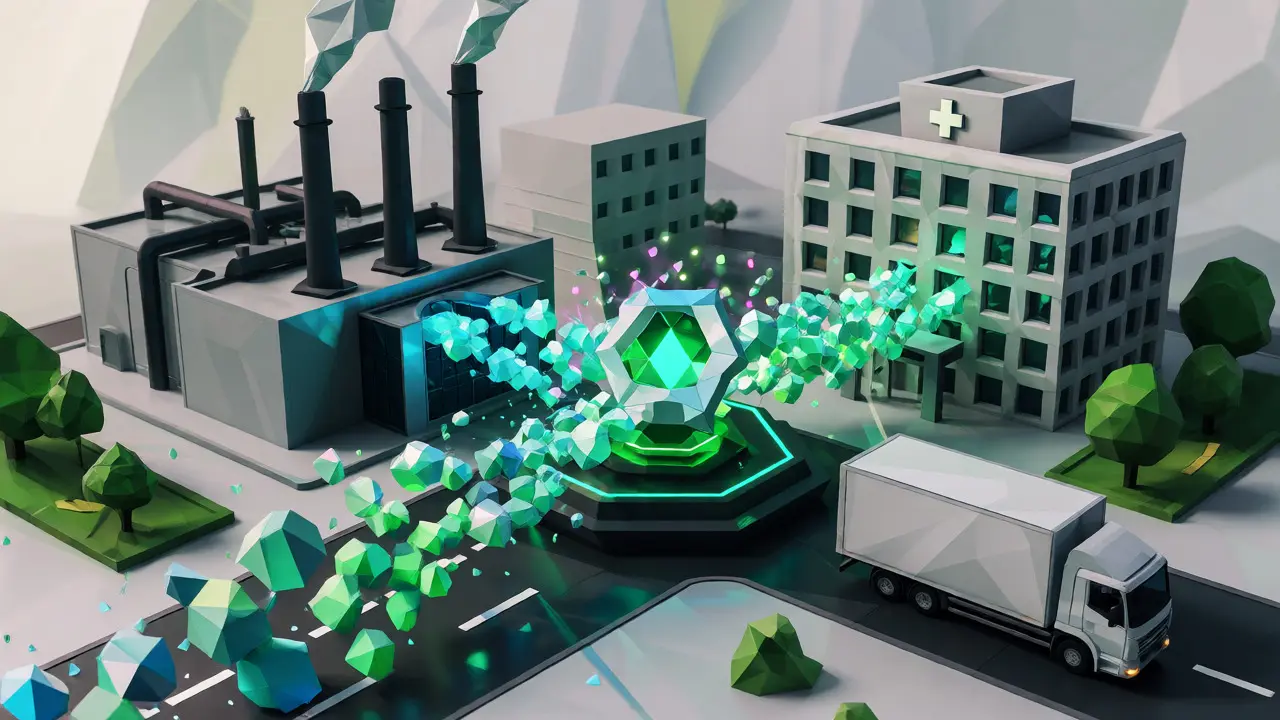
Here is where things get interesting for serious investors. We aren’t just talking about internet memes anymore. Tokenization is reshaping traditional industries. By late 2025, sectors like Retail, Automotive, and Healthcare began actively integrating token-based systems to reduce friction in multi-party business processes.
For example, supply chain platforms use tokens to track goods. Each movement updates the ledger, providing transparency. The platform token facilitates these transactions. As major corporations adopt these solutions, demand for the operational tokens increases. This isn’t theoretical. Look at the energy sector. Peer-to-peer energy trading platforms use tokens to settle micro-transactions between solar panel owners and grid users. These real-world applications provide a floor for valuation that purely speculative assets lack.
The trend is reducing fragmentation. In traditional finance, settling a cross-border payment takes days. On a tokenized platform, it takes seconds. This efficiency creates tangible value. Investors who identify platforms solving genuine inefficiencies-rather than those creating problems to solve-often see better long-term returns.
Evaluating Investment Potential: Key Metrics
How do you pick a winner? Don’t just look at the price chart. Dig into the fundamentals. Here are the critical factors to analyze before buying any platform token.
- Utility Strength: Does the token have a mandatory role? Can users bypass it? If a platform allows payments in stablecoins only, the native token might lose relevance.
- Token Supply Mechanics: Is the supply fixed or inflationary? Fixed supplies, like Bitcoin’s 21 million cap, create scarcity. Inflationary models can dilute value unless demand grows faster than supply.
- Active User Count: Check on-chain data. Are people actually transacting? High transaction volume usually correlates with higher token velocity and potential price appreciation.
- Regulatory Clarity: In 2026, regulations are stricter. Ensure the token isn’t classified as an unregistered security in key markets like the US or EU. Regulatory crackdowns can freeze liquidity overnight.
Also, examine the team’s execution history. Have they shipped updates on time? Did they handle previous bugs well? Technical debt accumulates quickly in fast-moving blockchain environments. A lagging development team is a red flag.
Risks You Cannot Ignore
High reward comes with high risk. Platform tokens are vulnerable to specific threats that broader cryptocurrencies might withstand. First, there is technical risk. Smart contract bugs can drain funds. Even audited contracts can fail under unexpected conditions. Second, competition is fierce. If a rival platform offers better fees or features, users migrate quickly. Tokens follow users, not vice versa.
Liquidity is another concern. Major tokens trade on big exchanges. Smaller platform tokens might suffer from wide bid-ask spreads. Trying to sell a large position could crash the price temporarily. Always check the depth of the order book before entering a significant position.
Finally, consider governance risks. Many platform tokens grant voting rights. If whales (large holders) dominate voting, they might make decisions that benefit themselves but hurt the community. This centralization undermines the decentralization promise, potentially driving away core users.

Future Outlook for 2026 and Beyond
The maturation of the blockchain space favors quality over quantity. Experimental projects are dying off. Survivors are those with strong utility propositions. Analysts predict that by 2027, integration with traditional finance will deepen. Banks may issue their own platform tokens for internal settlement. This institutional adoption brings stability but also reduces volatility, potentially lowering the explosive growth rates seen in earlier cycles.
However, the opportunity remains. As more industries tokenize, the total addressable market expands. Investors who understand both the technology and the specific industry verticals-like healthcare or logistics-will have an edge. They can spot undervalued platforms before the general public catches on.
Frequently Asked Questions
Are platform tokens safer than regular cryptocurrencies?
Not necessarily. While they have utility-based value, they carry higher concentration risk. If the specific platform fails, the token loses most of its value, whereas Bitcoin might retain value due to its status as a store of value.
How do I find active platform tokens?
Use blockchain analytics tools like Dune Analytics or Nansen. Look for metrics such as Daily Active Users (DAU), Total Value Locked (TVL), and transaction volume. Consistent growth in these areas indicates healthy platform usage.
Can platform tokens become securities?
Yes. If a token promises profits based on the efforts of others, regulators may classify it as a security. This changes how it can be traded and held. Always check recent regulatory rulings in your jurisdiction.
What is the ERC-20 standard?
ERC-20 is a technical standard used for smart contracts on the Ethereum blockchain for implementing tokens. It ensures that all tokens created with this standard function similarly, making them compatible with wallets and exchanges.
Should I hold platform tokens long-term?
It depends on the platform's trajectory. If the project shows consistent user growth and real-world adoption, holding can yield significant returns. However, monitor competitors closely, as tech landscapes change rapidly.