Kosovo's Crypto Mining Ban: Energy Crisis, Regulations, and the Path to Legal Mining
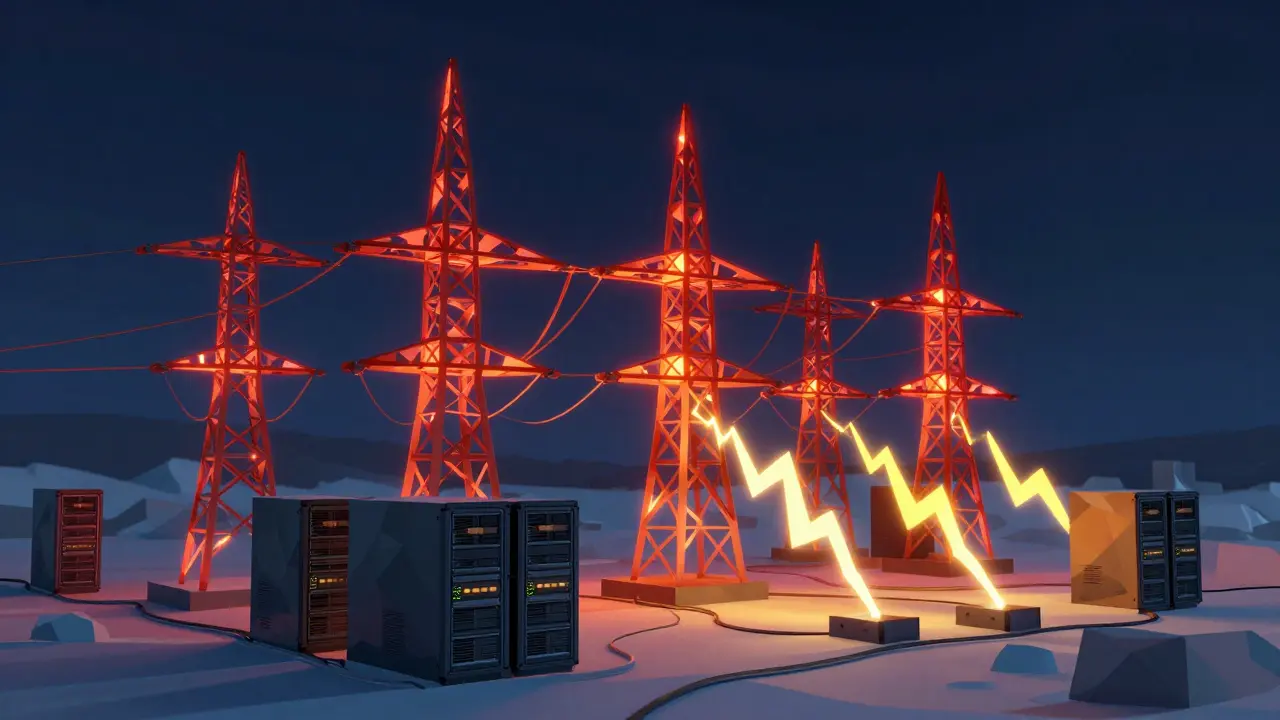
The lights went out in parts of Pristina in December 2021. The grid was buckling under the weight of winter demand, an aging coal plant had shut down for repairs, and the country was scrambling to import power. But there was a bigger drain on the system than heating homes or running hospitals. Cryptocurrency mining is the process of using powerful computers to validate transactions and secure blockchain networks, consuming vast amounts of electricity. In Kosovo, this activity had exploded into a shadow industry, sucking up so much power that it threatened the nation’s basic stability.
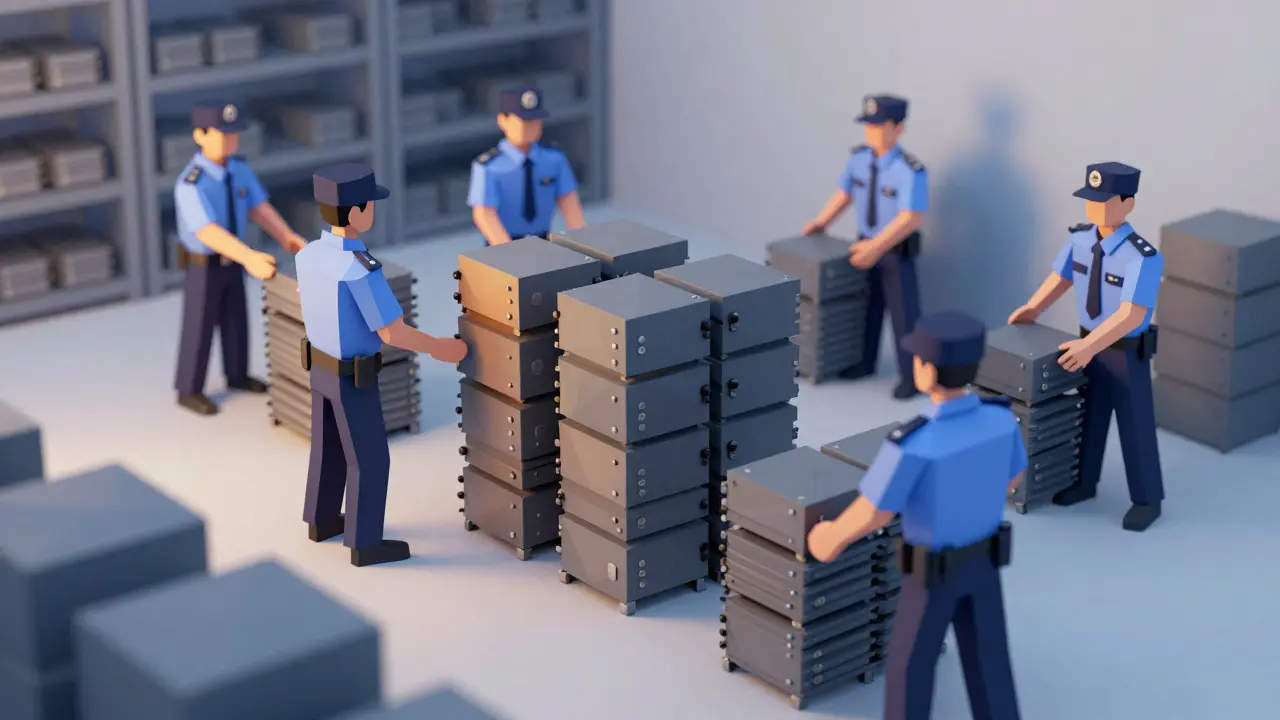
On January 4, 2022, the government pulled the plug-literally and legally. Acting Economy Minister Artane Rizvanolli announced an immediate ban on crypto mining across the entire territory. Police raided homes and warehouses, confiscating rigs worth tens of thousands of euros. For many miners, it was financial ruin overnight. For the government, it was a desperate move to save the national grid. Now, nearly four years later, the situation has shifted from emergency prohibition to complex regulation. If you are looking at Kosovo as a potential hub for digital assets, or if you are just curious about how a small nation tackled one of the world’s most energy-hungry industries, here is what you need to know.
Why the Ban Happened: The Energy Emergency
To understand the ban, you have to look at Kosovo’s energy mix. The country relies heavily on coal-fired power plants. When one of the two main plants went offline in late 2021, the supply chain snapped. The government declared a 60-day state of emergency because they simply did not have enough electrons to go around.
Into this vacuum stepped crypto miners. They were not just a few hobbyists; they were organized operations. In northern Kosovo, particularly in areas with a significant Serb population, miners were earning up to €2,000 ($2,270) per month. To put that in perspective, that is five times the average monthly income in one of Europe’s poorest countries. These miners benefited from free or heavily subsidized electricity. They plugged their high-end hardware into the public grid and let the hash rate fly, leaving less power for schools, hospitals, and households.
The Technical Committee for Emergency Measures in Energy Supply recommended the ban. The logic was stark: either shut down the non-essential, high-consumption crypto farms, or risk total grid collapse. The government chose survival over profit. Within days, hundreds of mining devices were seized. The message was clear: the national interest outweighed individual gains.
From Prohibition to Regulation: The Current Legal Framework
The initial ban was a blunt instrument. It worked to stabilize the grid, but it also highlighted a regulatory void. Kosovo had no specific laws governing cryptocurrency when the ban was issued. Legal experts questioned whether the government had the authority to enforce such sweeping measures without a legislative foundation. This gap forced the government to pivot from emergency orders to structured lawmaking.
As of 2025 and moving into 2026, the landscape has changed. You can still mine cryptocurrency in Kosovo, but the rules are strict. According to Mimoza Kusari-Lila, former chairwoman of the Parliamentary Working Group on Cryptocurrency, mining is now permitted only under specific conditions:
- Alternative Energy Sources Only: Miners cannot use the universal public grid. You must generate your own power or purchase it from independent sources that do not strain the national infrastructure.
- Equipment Verification: Imported mining hardware must be registered and verified by authorities to prevent illegal imports and ensure tax compliance.
- Transaction Monitoring: All activities are subject to monitoring to prevent money laundering and other illicit financial flows.
This shift reflects a broader trend in global crypto regulation. Governments are realizing that banning crypto entirely is often impossible and counterproductive. Instead, they aim to bring it into the sunlight. The goal is not to kill the industry but to control it. By forcing miners off the public grid, Kosovo ensures that everyday citizens get priority access to electricity while still allowing the economic benefits of crypto mining to exist within a regulated framework.
The Global Context: Kosovo Is Not Alone
Kosovo’s actions mirror a worldwide movement against energy-intensive crypto operations. As of April 2024, at least eight countries had implemented outright bans on crypto mining. The biggest precedent was set by China in 2021. Before its crackdown, China hosted nearly three-quarters of the world’s Bitcoin mining capacity. The shutdown sent shockwaves through the industry, forcing miners to relocate to places like Texas, Kazakhstan, and eventually, smaller European markets like Kosovo.
But why target mining? The answer lies in the technology itself. Bitcoin uses a Proof of Work (PoW) consensus mechanism, which requires miners to solve complex mathematical puzzles to validate blocks. This process is inherently energy-intensive. A study by the University of Cambridge found that only 39% of electricity powering Bitcoin mining comes from renewable sources. The remaining 61% comes from fossil fuels like natural gas, oil, and coal. For a country like Kosovo, which already struggles with air pollution from coal plants, adding more load to the grid is environmentally and socially unsustainable.
Other nations are following similar paths. Some are imposing heavy taxes on mining operations, while others are mandating renewable energy usage. Kosovo’s approach is unique because it ties permission directly to energy independence. If you can prove your mining operation does not touch the public grid, you are allowed to operate. If you rely on the state-provided power, you are banned.
| Country/Region | Regulatory Status | Key Restriction | Primary Motivation |
|---|---|---|---|
| Kosovo | Conditional Permission | No public grid usage | Energy security & grid stability |
| China | Outright Ban | All PoW mining prohibited | Climate goals & financial control |
| European Union | Regulated (MiCA) | Transparency & consumer protection | Market integrity & anti-money laundering |
| Texas, USA | Permissive | Grid curtailment agreements | Economic growth & grid balancing |
Challenges in Implementation
Writing the law is one thing; enforcing it is another. Kosovo faces significant hurdles in implementing its new regulatory framework. The draft cryptocurrency law, which started in summer 2021, was reportedly 90% complete by recent assessments. However, progress slowed due to intervention from the European Commission. Two advisers were sent to review the draft, focusing specifically on money laundering risks. This delay highlights the tension between local urgency and international compliance standards.
Enforcement is also tricky. How do you verify that a miner is truly using alternative energy? Are they really running solar panels, or are they secretly tapping into the grid at night? The government needs robust monitoring tools and skilled personnel to distinguish between compliant operators and rogue miners. In northern Kosovo, where illegal electricity consumption has been a persistent issue, the risk of non-compliance remains high.
Furthermore, the economic impact on those who lost everything during the 2022 raids has not fully resolved. Many miners invested heavily in specialized equipment, expecting long-term profitability. The sudden ban wiped out their capital. While the current regulations offer a path forward, rebuilding trust and capital takes time. New entrants must navigate a more complex legal environment, including registration fees, tax obligations, and environmental checks.

What This Means for Miners and Investors
If you are considering setting up a mining operation in Kosovo, the window of opportunity has changed. The era of cheap, unregulated power is over. Today, success depends on sustainability and compliance. Here is what you need to focus on:
- Secure Independent Power: Invest in renewable energy solutions like solar or wind farms. You must prove your energy source is separate from the national grid.
- Register Your Equipment: Do not attempt to hide your hardware. Importing mining rigs without declaration can lead to confiscation and legal penalties.
- Understand Tax Obligations: The new framework includes taxation provisions. Ensure you have accounting systems in place to report profits and pay taxes correctly.
- Monitor Regulatory Updates: The law is still evolving. Stay connected with local authorities and legal experts to adapt to any changes in requirements.
For investors, Kosovo represents a test case for balanced crypto regulation. It shows that a country can protect its energy infrastructure while still participating in the global digital economy. The key is transparency. By bringing miners into the formal economy, Kosovo can capture tax revenue and create jobs, rather than losing them to shadow activities.
The future of crypto mining in Kosovo will depend on how well these regulations are enforced. If the government can effectively monitor energy usage and prevent grid abuse, the sector could become a model for other energy-stressed nations. If enforcement fails, we may see a return to black-market mining, undermining both energy security and financial integrity.
Environmental and Social Implications
Beyond economics, the ban and subsequent regulations address deeper social concerns. Energy poverty is real in Kosovo. When wealthy miners consume disproportionate amounts of power, ordinary citizens suffer. Brownouts affect healthcare, education, and daily life. By prioritizing residential and essential services over speculative crypto gains, the government aligns with public interest.
Environmentally, the push for alternative energy sources encourages green innovation. If miners are forced to build solar arrays or wind turbines to power their operations, they contribute to the country’s renewable energy capacity. This creates a positive feedback loop: crypto mining drives investment in clean energy, which in turn supports broader decarbonization goals.
However, this transition is not seamless. Building renewable infrastructure requires upfront capital and technical expertise. Small-scale miners may struggle to afford these upgrades, leading to consolidation among larger, better-funded players. This raises questions about market concentration and fairness. Policymakers must ensure that regulations do not inadvertently favor corporations over individuals.
Is cryptocurrency mining completely banned in Kosovo?
No, it is not completely banned. As of 2025-2026, mining is permitted if you use alternative energy sources that do not draw from the public grid. Using the national electrical network for mining remains strictly prohibited.
Why did Kosovo ban crypto mining in 2022?
The ban was an emergency measure taken during a severe energy crisis. With one major coal plant offline and high winter demand, the government needed to reduce grid load to prevent total collapse. Crypto miners were consuming excessive amounts of subsidized electricity, threatening public services.
How much did miners earn before the ban?
Before the ban, some miners in northern Kosovo were earning up to €2,000 ($2,270) per month. This was significantly higher than the average monthly income in the country, making mining highly lucrative despite the risks.
What happens if I use the public grid for mining?
Using the public grid for mining is illegal. Authorities can confiscate your equipment, impose fines, and potentially pursue criminal charges for theft of electricity and violation of energy regulations.
Are there other countries with similar bans?
Yes. As of 2024, at least eight countries have banned crypto mining. China implemented the largest ban in 2021, shutting down nearly 75% of global Bitcoin mining capacity. Other nations have imposed restrictions due to environmental concerns or energy shortages.
When will the full cryptocurrency law be finalized?
The draft law has been delayed due to reviews by the European Commission, particularly regarding anti-money laundering compliance. While it was reported as 90% complete, final passage depends on resolving these international regulatory requirements.