REI Token Airdrop by Zerogoki: Status, Risks, and What You Need to Know
Have you seen the buzz about a Zerogoki airdrop? If so, you might be wondering if it’s a golden ticket or just another crypto trap. The short answer is that this project is currently in a very strange place. It’s an experimental platform built on Ethereum, but right now, its token, REI, has zero circulating supply and zero trading volume. That means if you’re looking for a standard airdrop claim link, you might be chasing a ghost. Let’s break down what Zerogoki actually is, why the data looks the way it does, and how to protect yourself from scams hiding behind this name.
What Is Zerogoki and Why Does It Matter?
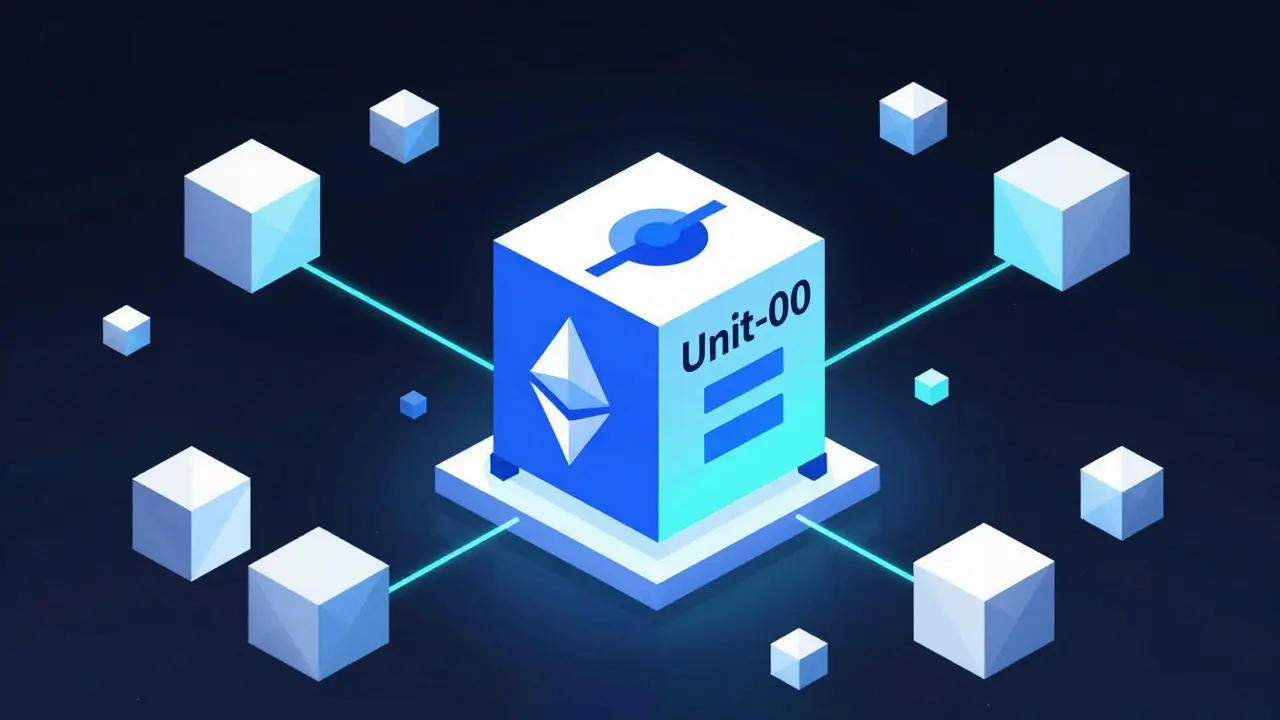
Zerogoki is an experimental leveraged token minting platform deployed on the Ethereum blockchain. The name comes from the Japanese phrase "零号機" (Reigōki), which translates to "Experimental Model Unit-00." Think of it as a test car for a new engine before the full production model hits the road. This project isn’t a standalone giant; it’s a pilot protocol derived from Duet Protocol, a larger decentralized finance system. Specifically, Zerogoki only uses the "Lite-minting" module of Duet. Its main job is to stress-test whether Duet’s algorithms can handle real-world conditions without crashing.
The core mechanic involves algorithmic pegging. Users can use the native token, REI, to cast leverage tokens or buy synthetic assets like foreign exchange pairs, gold, or bonds. Here’s the catch: synthetic assets are created by burning REI. The developers deliberately chose to run this on the slow, expensive Ethereum mainnet instead of a cheaper layer-two solution. Why? To see if the system holds up under high gas fees and network congestion. It’s a brutal environment for testing, but it provides valuable data for the parent protocol.
The Current State of the REI Token
This is where things get confusing for many users. If you check major tracking sites like CoinMarketCap or Binance, you’ll see some alarming numbers. As of late 2025, REI shows a live price of $0 USD. The 24-hour trading volume is also $0. Both the total supply and circulating supply are listed as 0 REI. Does this mean the token doesn’t exist? Not necessarily. It usually indicates one of three things:
- The token hasn’t officially launched yet.
- The project is paused or inactive.
- The distribution model isn’t traditional, meaning tokens aren’t circulating in open markets yet.
Because there is no active market, there is no "price" to track. This lack of liquidity makes it impossible to verify the token’s value through standard market mechanisms. For anyone waiting for an airdrop, this silence is both a red flag and a sign of caution. If the team were actively distributing tokens, we would likely see non-zero supplies or at least some transaction history on the Ethereum blockchain.
Is There Actually an Airdrop?
Let’s address the elephant in the room: Is there a confirmed Zerogoki airdrop? Based on available public data, there are no official details regarding schedules, eligibility criteria, or claiming procedures. No whitepaper section explicitly outlines a mass distribution plan for retail investors. The project description emphasizes its role as a research initiative rather than a commercial launch focused on wide-scale adoption.
However, in the DeFi world, "experimental" often means early access incentives. Developers sometimes reward early testers with tokens to encourage participation. But without official announcements from the Zerogoki team, any claims of an "upcoming airdrop" should be treated with extreme skepticism. Be wary of social media posts promising huge allocations for simply connecting your wallet. In projects with zero public traction, these are almost always phishing attempts.

Avoiding Scams: How to Stay Safe
When a project has low visibility, scammers move in fast. They know people are searching for "REI airdrop" and will create fake websites or Discord channels to harvest private keys. Here is how to distinguish the real deal from the fakes:
- Check Official Channels Only: Look for links verified by the parent project, Duet Protocol, or reputable crypto news outlets. Avoid clicking links from random Twitter threads or Telegram groups.
- Verify Contract Addresses: If you find a contract address for REI, cross-reference it with multiple block explorers. Ensure it matches the address associated with the Zerogoki deployment on Ethereum.
- Beware of High Gas Fees: Since Zerogoki operates on Ethereum mainnet, legitimate transactions will cost actual ETH for gas. If a "claim" button asks you to pay a small fee in USDT or a different token, it’s likely a scam.
- Use a Burner Wallet: Never connect your main wallet to an unverified dApp. Use a separate wallet with minimal funds to interact with experimental protocols.
Don't Confuse Zerogoki REI With Other Projects
One of the biggest pitfalls in crypto is symbol confusion. There is another project called REI Network, which is a completely different blockchain. REI Network offers staking rewards, fast block times, and free gas transactions. It has nothing to do with Zerogoki or Duet Protocol. If you search for "REI token," you might land on pages for REI Network, leading you to believe you found the wrong project. Always check the underlying chain. Zerogoki REI is on Ethereum; REI Network runs on its own independent chain.
| Feature | Zerogoki (REI) | REI Network |
|---|---|---|
| Blockchain | Ethereum Mainnet | Independent Chain |
| Purpose | Experimental Leveraged Minting Test | High-Speed Transaction Layer |
| Status | Inactive / Zero Circulating Supply | Active Staking & Trading |
| Parent Project | Duet Protocol | N/A |

Why Did They Choose Ethereum Mainnet?
You might ask, why build a test on the most expensive network? It seems counterintuitive. Usually, developers prefer cheap, fast networks for experiments. However, Zerogoki’s goal is to test robustness. By forcing the algorithmic pegging mechanism to work amidst high volatility and significant transaction costs, the developers can identify potential failure points that wouldn’t appear in a smooth, low-cost environment. If the system works on Ethereum, it’s likely to work anywhere. This approach prioritizes long-term stability over short-term user convenience. It suggests the team is more interested in engineering integrity than immediate hype or token speculation.
What Should You Do Now?
If you’re holding out hope for a Zerogoki airdrop, patience is key, but so is vigilance. Keep an eye on the official Duet Protocol announcements, as they are the parent entity. Monitor the Ethereum blockchain for any new contract deployments associated with the Zerogoki name. Until then, assume the token is not yet distributed. Don’t let FOMO (fear of missing out) drive your decisions. In the world of experimental DeFi, the best time to enter is when the data is clear, not when the rumors are loud.
Is the Zerogoki REI airdrop confirmed?
As of mid-2026, there is no official confirmation of a public airdrop schedule. The token currently has zero circulating supply, suggesting it has not been widely distributed yet. Always wait for official announcements from Duet Protocol or Zerogoki's verified channels.
What is the difference between Zerogoki and Duet Protocol?
Duet Protocol is the main parent system. Zerogoki is a specific experimental instance or "test unit" of Duet that focuses solely on the Lite-minting module. Think of Duet as the company and Zerogoki as the prototype car they are testing on a rough road.
Why is the REI token price $0?
The price is listed as $0 because there is no active market trading the token. With zero circulating supply and zero volume, exchanges cannot calculate a fair market price. It does not mean the token is worthless, just that it is not currently being bought or sold publicly.
How can I avoid REI airdrop scams?
Only use links from verified sources. Check contract addresses on block explorers. Use a separate wallet with limited funds for interactions. Be skeptical of any site asking for payment in a different currency to "claim" tokens.
Is Zerogoki related to REI Network?
No, they are unrelated. Zerogoki is an Ethereum-based experimental protocol linked to Duet. REI Network is a separate, independent blockchain project with its own staking and transaction features. Do not confuse the two based on the shared token symbol.