
Gas Fee Timing: When to Send Crypto Transactions to Save Money
When you send crypto, gas fee timing, the moment you choose to broadcast a transaction on a blockchain like Ethereum. Also known as transaction timing, it can make the difference between paying $2 or $50 to move your tokens. Most people treat gas fees like a fixed cost—like a toll booth you can’t avoid. But that’s not true. Gas fees aren’t random. They rise and fall based on network demand, and if you know when to act, you can save a lot.
Think of the blockchain like a highway. During rush hour, every lane is packed. That’s when gas fees spike—usually when traders are rushing to buy new tokens, when DeFi protocols launch, or when NFT drops go live. But at 3 a.m. UTC, when most of the world is asleep, the road is empty. That’s when fees drop, sometimes by 80%. You don’t need to be a trader to use this. If you’re swapping tokens on Uniswap, staking on Aave, or claiming an airdrop like LEOS or KNIGHT, waiting a few hours can cut your cost in half.
Ethereum gas, the fee paid to process transactions on the Ethereum network is the most common example, but it’s not the only one. Chains like BSC and Polygon have lower fees, but even they have busy windows. On DeFi transaction costs, the total expense of interacting with lending, swapping, or staking platforms, timing matters even more. A failed transaction doesn’t just waste time—it burns gas. If you’re trying to claim a token like MOONED or GHX, and your transaction times out because fees spiked, you lose money. Tools that show real-time gas trends help, but the simplest fix is patience. Check what’s happening on-chain before you click confirm.
Some users think they need to act fast during airdrops or price pumps. But rushing often backfires. The 2CRZ airdrop on CoinMarketCap and the BitOrbit IDO both saw users pay huge fees only to get nothing in return—because the network crashed under load. Smart users waited. They watched. They sent their transactions during quiet hours. That’s how you avoid becoming a statistic.
There’s no magic formula, but there’s a pattern: weekends are calmer than weekdays, late-night hours in UTC are cheapest, and major events like Bitcoin halvings or Fed announcements spike demand. If you’re holding tokens from Beamswap, Meteora DAMM, or even BBUSD, knowing gas fee timing isn’t just smart—it’s how you protect your capital. The posts below show real cases where people lost money by ignoring this, and others who saved hundreds by waiting just a few hours. You don’t need to be a hacker. You just need to know when to click.
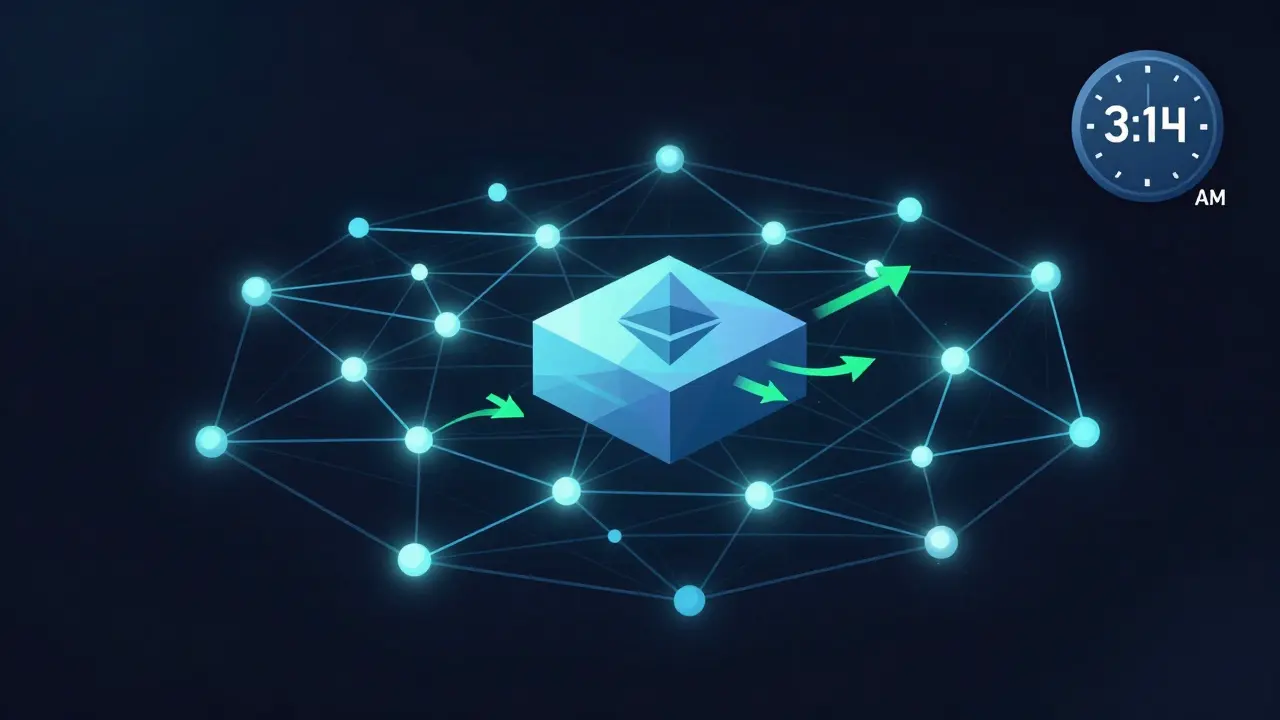
When to Pay Lower Gas Fees: Best Times to Save on Blockchain Transaction Costs
Learn the best times to send crypto and save up to 70% on gas fees. Discover optimal windows on Ethereum and Polygon, tools to track fees, and when timing backfires.
Read MoreLatest Post
-
Stablecoin Regulations: MiCA vs US Federal Framework Compared 8 February 2026
-
Why Bitcoin Uses SHA-256 Hashing Algorithm 23 February 2026
-
-
-
How to Claim the Me in METIS Airdrop: Complete Guide 2025 11 August 2025