
Lower Gas Fees: How to Save on Crypto Transactions and Avoid Overpaying
When you send crypto, pay for a DeFi trade, or claim an airdrop, you’re not just moving money—you’re paying for space on a blockchain. That’s where gas fees, the cost to process transactions on blockchains like Ethereum. Also known as transaction fees, they’re what keep networks running but can eat up your profits if you’re not careful. High gas fees aren’t just annoying—they can kill your returns. A $50 trade with $30 in fees? That’s not investing. That’s donating.
That’s why DeFi platforms, decentralized applications that let you lend, swap, and stake crypto without banks like Beamswap and Meteora DAMM v2 are gaining traction. They don’t just offer high yields—they cut gas fees to near zero by running on cheaper chains like Moonbeam or optimizing how they handle transactions. You’ll see this in posts about Beamswap, where users report trading with almost no fees, and in how projects like BounceBit USD and LEOS airdrops time their claims to avoid Ethereum’s peak congestion. Meanwhile, platforms like BitHash and BitOrbit failed not just because of fraud, but because they ignored the simple truth: if fees are too high, people leave.
It’s not just about picking the right exchange. blockchain architecture, the underlying design that determines how fast and cheap transactions run matters just as much. Ethereum’s old model made gas fees volatile and expensive. Newer chains like Solana, Polygon, and BSC were built to fix that. That’s why projects like GamerHash and MOONED token moved to these networks—to make participation affordable. Even stablecoins like BBUSD and CAPY, though mostly dead, were originally launched on chains with lower fees because developers knew users wouldn’t pay $20 to buy a $5 token.
And it’s not just about tech. Timing matters. If you’re claiming airdrops like KNIGHT or 2CRZ, doing it during off-peak hours or on a low-fee chain can save you hundreds. Some users lost money on fake airdrops like MOT or BitOrbit not because they were scammed—but because they paid $40 in gas to claim a token that later dropped to pennies. Lower gas fees aren’t a luxury. They’re a survival skill in crypto.
Below, you’ll find real breakdowns of platforms that actually cut costs, airdrops that worked without draining your wallet, and the hidden trade-offs behind "zero fee" claims. No fluff. Just what works—and what’s a trap.
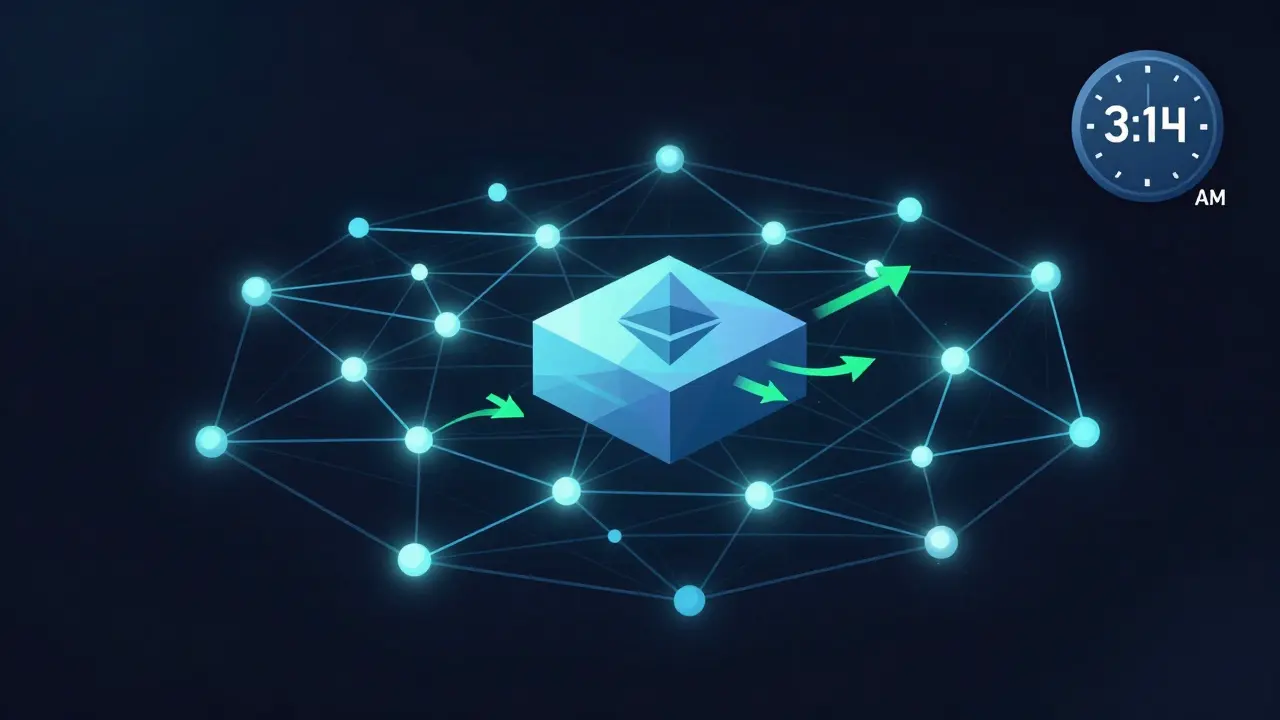
When to Pay Lower Gas Fees: Best Times to Save on Blockchain Transaction Costs
Learn the best times to send crypto and save up to 70% on gas fees. Discover optimal windows on Ethereum and Polygon, tools to track fees, and when timing backfires.
Read MoreLatest Post
-
How Russian Banks React When You Withdraw Crypto to Fiat in 2025 3 November 2025
-

-
-

-

What Are Play-to-Earn Crypto Games? A Practical Guide 11 November 2024