
Polygon gas savings: How to cut crypto transaction costs on Polygon
When you trade on Polygon, a Layer 2 scaling solution for Ethereum that slashes transaction costs while keeping security intact. Also known as Matic Network, it lets you swap tokens, stake, and interact with DeFi apps without paying $50 in gas fees like you would on Ethereum mainnet. That’s the whole point — saving money on every click. But not all users know how to truly maximize those savings. Many still pay more than they need to, simply because they don’t know where to look or what tools to use.
Polygon gas savings aren’t magic. They come from smart choices: using the right DEX, timing your trades, avoiding congested bridges, and knowing which wallets handle fees best. For example, Beamswap, a DEX built on Polygon that uses outdated but ultra-cheap Uniswap V2 architecture keeps fees near zero because it doesn’t add extra layers. Same with Meteora DAMM v2, a Solana-based exchange, but its fee model shows how dynamic pricing can lower costs during low volatility — the principle applies to Polygon too. You don’t need fancy tools. You need to avoid platforms that pretend to be optimized but still charge hidden fees.
Some users think gas savings mean waiting for low-traffic hours. That helps, but it’s not enough. The real win comes from using wallets like MetaMask, the most popular crypto wallet that lets you manually set gas limits and prioritize transactions on Polygon, or switching to WalletConnect, a bridge protocol that reduces redundant network calls when connecting to DEXs. Even small tweaks — like batching multiple swaps into one transaction or skipping unnecessary approvals — can cut your monthly gas bill by 60% or more.
And it’s not just about trading. Staking, lending, and claiming airdrops on Polygon all add up. If you’re jumping between platforms like Leonicorn Swap, BounceBit, or Beamswap, you’re probably paying dozens of small fees that add up fast. The posts below show you exactly how real users saved money — from avoiding dead projects that drain wallets to using free gas tokens from Polygon’s own faucet. You’ll see which airdrops actually require gas to claim (and which are scams), which exchanges let you pay fees in native tokens, and how to spot a gas-guzzling contract before you sign it.
There’s no secret formula. Just smarter habits. And in a market where every cent counts, those habits make the difference between making a profit and losing money to fees. Below, you’ll find real stories, broken down without fluff — from how one trader saved $200 in a month just by switching DEXes, to why that ‘free’ MOONED airdrop cost more in gas than the tokens were worth. Let’s get you paying less, and doing more.
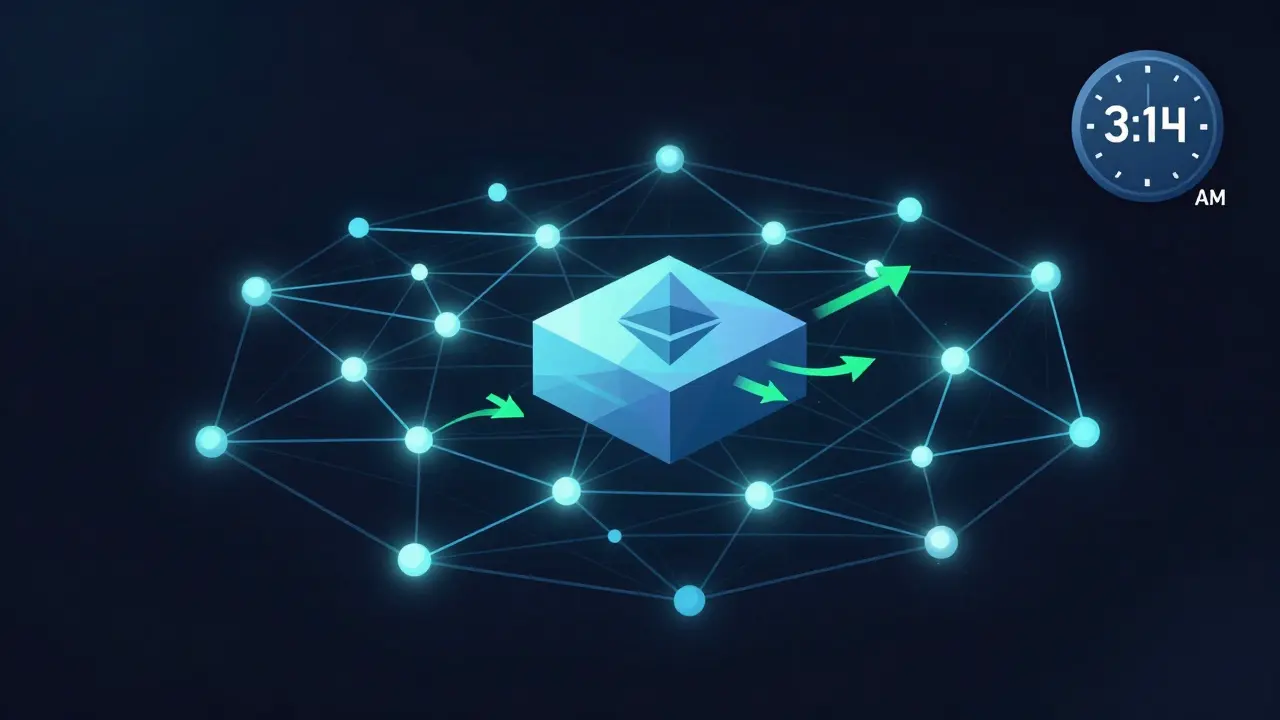
When to Pay Lower Gas Fees: Best Times to Save on Blockchain Transaction Costs
Learn the best times to send crypto and save up to 70% on gas fees. Discover optimal windows on Ethereum and Polygon, tools to track fees, and when timing backfires.
Read MoreLatest Post
-

What is Jet2Holidays (JET2) crypto coin? 22 February 2026
-
-

IPFS Explained: How to Store NFTs Securely 18 October 2025
-

-