
Stablecoins in Pakistan: How They Work and Where to Use Them
When you need to send money across borders in Pakistan, traditional banks charge high fees and take days. That’s where stablecoins, digital currencies pegged to real-world assets like the US dollar to avoid volatility. Also known as pegged tokens, they let you move value instantly, with near-zero fees, even when banks block you. In Pakistan, where capital controls and banking restrictions are common, stablecoins like USDT have become a quiet lifeline for families, freelancers, and small businesses.
People in Pakistan aren’t using stablecoins because they’re trendy—they’re using them because they work. A freelancer in Lahore gets paid in USDT from a client in the U.S., converts it to PKR through a local P2P seller, and pays rent the same day. No wire transfer. No waiting. No middleman. This isn’t speculation—it’s survival. The same system helps traders import goods, students pay for overseas courses, and workers send remittances home without going through the formal banking system, which often freezes accounts or demands impossible paperwork.
Stablecoins in Pakistan don’t exist in a vacuum. They connect to crypto remittances, the process of sending money across borders using cryptocurrency instead of traditional services like Western Union. They rely on P2P crypto networks, local buyer-seller communities that match people wanting to trade PKR for USDT or USDC. And they’re shaped by DeFi Pakistan, the growing group of users using decentralized platforms to earn interest, lend, or trade without banks. These aren’t just tech terms—they’re real tools people use daily, despite the government’s unclear stance.
But it’s not all smooth. Some P2P sellers disappear. Some exchanges freeze withdrawals. And while the State Bank of Pakistan has banned crypto, enforcement is patchy. People still trade—because the alternatives are worse. The posts below show you exactly how this works: who’s selling USDT in Karachi, how to avoid scams, which apps actually move money fast, and what happens when you try to cash out. You’ll see real cases, not theory. No hype. Just what people are doing right now to keep their money moving.
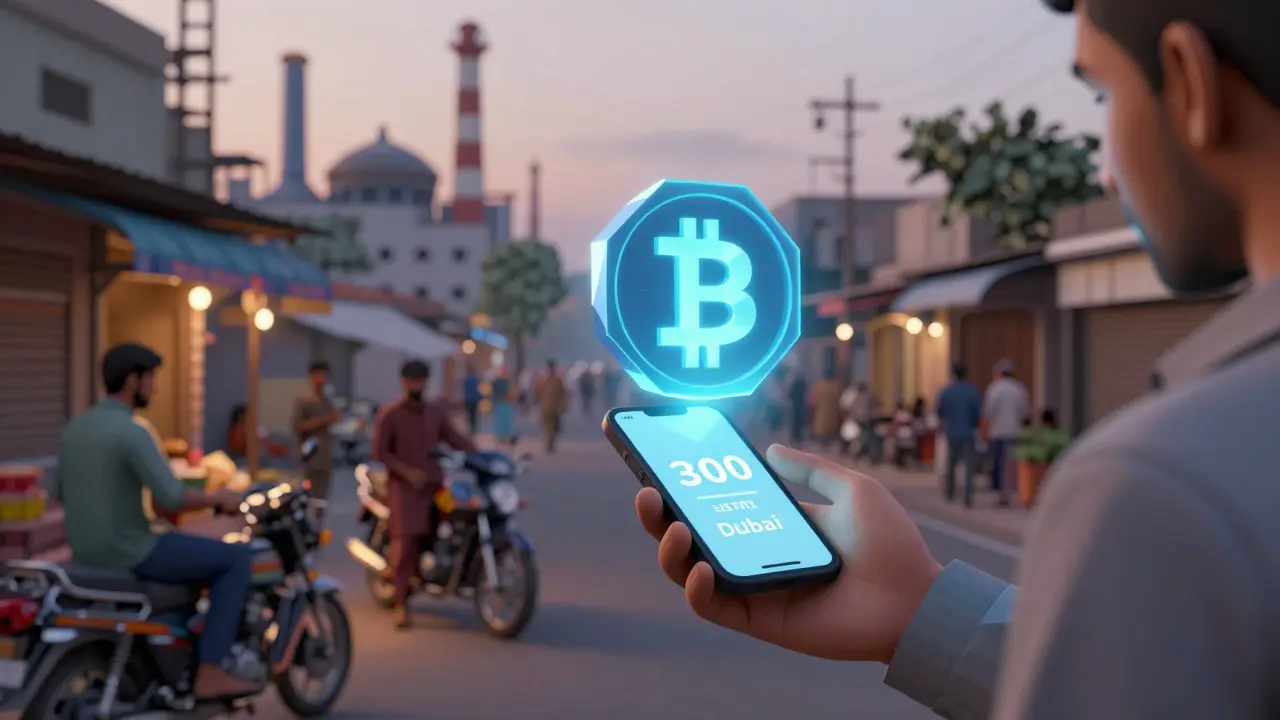
Why Pakistan Ranks 3rd-4th in Global Crypto Adoption Despite Past Restrictions
Pakistan rose from banning crypto in 2018 to ranking 3rd-4th globally in adoption by 2025 - not because of speculation, but because millions use stablecoins to protect savings and send remittances amid economic instability.
Read MoreLatest Post
-

-

-
zkRace (ZERC) Airdrop & DeRace Token Swap Details - 2025 Guide 22 October 2025
-

-

What Is Hash Rate in Cryptocurrency? A Simple Guide 13 October 2025