Brexily Crypto Exchange Review: Features, Risks & EVR Ecosystem
Choosing a crypto exchange usually comes down to two things: can you trust it with your money, and does it actually do what it promises? Brexily is a centralized cryptocurrency exchange developed by Everus Technologies, launched on July 1, 2020, and headquartered in Malaysia. It positions itself not just as a trading venue, but as a "one-stop" platform for buying, spending, and earning digital assets. If you are considering using Brexily in 2026, you need to understand exactly where it fits in the market, how its unique token ecosystem works, and what red flags might be hiding behind its niche profile.
The Everus World Ecosystem
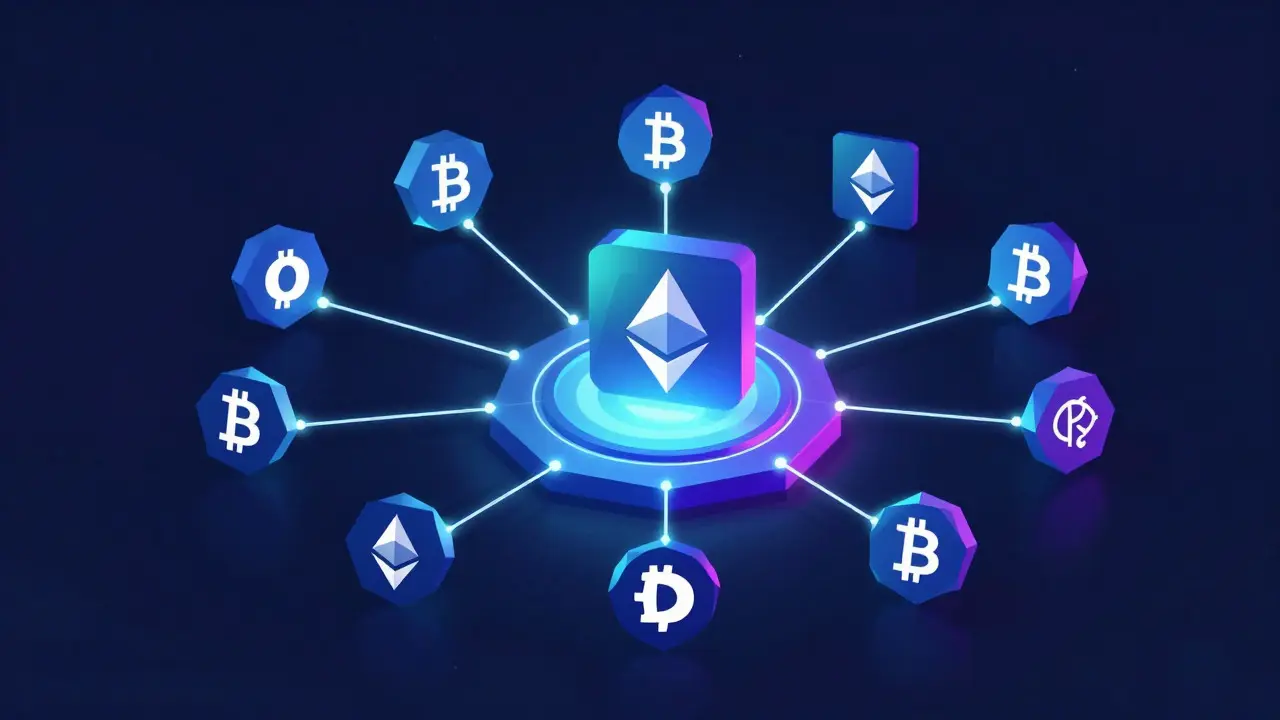
To understand Brexily, you first have to look at its parent company, Everus Technologies, which operates the broader Everus World Ecosystem. Brexily isn't a standalone entity; it is one piece of a larger puzzle that includes the native token, EVR, and a merchant payment service called BrexCo. This integration means that while you can trade other cryptocurrencies on the platform, the core experience is heavily optimized around EVR. The goal is to create a closed loop where users acquire EVR, use it to trade other assets, and potentially spend it through BrexCo. For traders who want a pure Bitcoin or Ethereum environment without proprietary token incentives, this structure might feel restrictive. However, for those interested in the Everus project specifically, it offers a direct on-ramp into their utility token.
Trading Pairs and Liquidity Reality
One of the most critical aspects of any exchange is what you can actually trade. Brexily’s spot markets are primarily built around EVR pairs. As documented in ecosystem materials, key trading pairs include EVR/BTC, EVR/ETH, and EVR/USDT. This setup implies that if you want to buy Bitcoin directly with USDT, you might not have a direct BTC/USDT pair available, or if you do, the liquidity might be significantly lower than the EVR-centric pairs. This is a common trait in ecosystem-specific exchanges: the main currency acts as the hub. Before depositing funds, you should check the current order book depth. Thin liquidity leads to wider spreads, meaning you pay more to enter and exit trades compared to major global exchanges like Binance or Coinbase. If your strategy relies on high-frequency trading or moving large sums, you may find the execution quality on Brexily less favorable than on top-tier venues.
Security and Custody Considerations
Brexily is a custodial exchange, meaning the platform holds your private keys when you deposit funds. While this offers convenience, it shifts the security responsibility from you to the company. A significant concern for any risk-averse investor is the lack of publicly available third-party security audits or proof-of-reserves attestations for Brexily as of mid-2026. Major exchanges often publish regular reports showing they hold enough assets to cover user balances. Brexily has not widely publicized such data in mainstream crypto media. Furthermore, there is no detailed public information on their cold storage percentages or multi-signature wallet setups. This transparency gap doesn't mean the exchange is unsafe, but it does mean you are relying more on the company's word than on independent verification. Always enable two-factor authentication (2FA) and consider keeping only active trading funds on the platform rather than long-term holdings.
Regulatory Status in Malaysia
Since Brexily is based in Malaysia, its regulatory standing is a crucial factor. Malaysia has a specific regulatory framework for digital assets, overseen by the Securities Commission of Malaysia (SCM). While many exchanges operate legally under licenses, Brexily's specific license status is not explicitly highlighted in recent regulatory overviews. This ambiguity requires caution. You should verify directly with the SCM or Everus Technologies whether Brexily holds a valid Digital Asset Service Provider (DASP) license. Operating without clear local licensing can complicate legal recourse if disputes arise. For users outside Malaysia, the regulatory protection may be even thinner, making due diligence even more important.
| Feature | Brexily | Major Global CEXs (e.g., Binance, Coinbase) |
|---|---|---|
| Primary Focus | Everus Ecosystem (EVR Token) | General Purpose Multi-Asset Trading |
| Liquidity Depth | Niche / Limited Independent Data | High / Deep Order Books |
| Proof of Reserves | Not Publicly Verified | Regularly Published & Audited |
| Regulatory Clarity | Malaysia-Based (Verify License) | Varies by Region, Often Higher Compliance |
| User Rating (Trustpilot) | 4.9/5 (2021 Snapshot) | Varies (3.5 - 4.5 typical range) |

User Experience and Community Sentiment
Despite the technical gaps, user sentiment has been surprisingly positive in the past. On Trustpilot, Brexily.com held a rating of 4.9 out of 5 as of June 2021, categorized under "Cryptocurrency Service." Users praised the platform for being a "best exchanger for stacking and trading crypto," suggesting satisfaction with both the trading interface and yield features. However, keep in mind that this data point is from several years ago. In the fast-moving crypto world, support quality and platform stability can change rapidly. Currently, there is very little independent community discussion on major forums like Reddit or Twitter/X regarding Brexily's current performance. This silence is notable; large exchanges generate constant chatter about bugs, updates, and outages. The lack of noise could mean stable operations, or it could simply mean a small user base that doesn't generate much public traffic.
Who Should Use Brexily?
Brexily is not for everyone. It makes the most sense for investors who already believe in the Everus (EVR) project and want to trade within that specific ecosystem. If you are looking for the deepest liquidity for Bitcoin arbitrage or the highest level of regulatory protection, a tier-one global exchange is likely a safer bet. For casual users interested in trying the EVR token or using BrexCo for payments, Brexily provides a dedicated gateway. Just remember to start small, verify withdrawal times yourself, and never assume that a high past rating guarantees future reliability. Do your own research on the current state of the EVR token's adoption before committing significant capital to an exchange built around it.
Is Brexily a safe crypto exchange?
Safety depends on your risk tolerance. Brexily is a custodial exchange with limited public security audits and proof-of-reserves data. While it has had positive user reviews in the past, the lack of independent verification means you should treat it as a higher-risk venue compared to major regulated exchanges. Start with small amounts and monitor withdrawal processes closely.
What is the relationship between Brexily and EVR?
Brexily is the primary exchange for the EVR token, which is part of the Everus World Ecosystem. Most trading pairs on Brexily involve EVR as the base currency (e.g., EVR/BTC). Using Brexily supports the EVR ecosystem, and the exchange is designed to facilitate the circulation and utility of this specific token.
Can I trade Bitcoin directly on Brexily?
You can trade Bitcoin, but typically against EVR or other listed assets. Direct fiat-to-Bitcoin pairs may exist, but the deepest liquidity is usually found in EVR-centric pairs. Check the live order books to see if direct BTC/USDT or BTC/EUR pairs are available and liquid enough for your trade size.
Where is Brexily headquartered?
Brexily is headquartered in Malaysia and was launched on July 1, 2020, by Everus Technologies. Being based in Malaysia subjects it to local regulations, though users should verify its specific licensing status with the Malaysian Securities Commission.
How does Brexily compare to Binance or Coinbase?
Binance and Coinbase are general-purpose exchanges with massive liquidity and broad regulatory compliance. Brexily is a niche, ecosystem-specific exchange focused on the EVR token. Brexily offers specialized tools for Everus users but lacks the deep liquidity, independent audits, and global regulatory footprint of the major players.