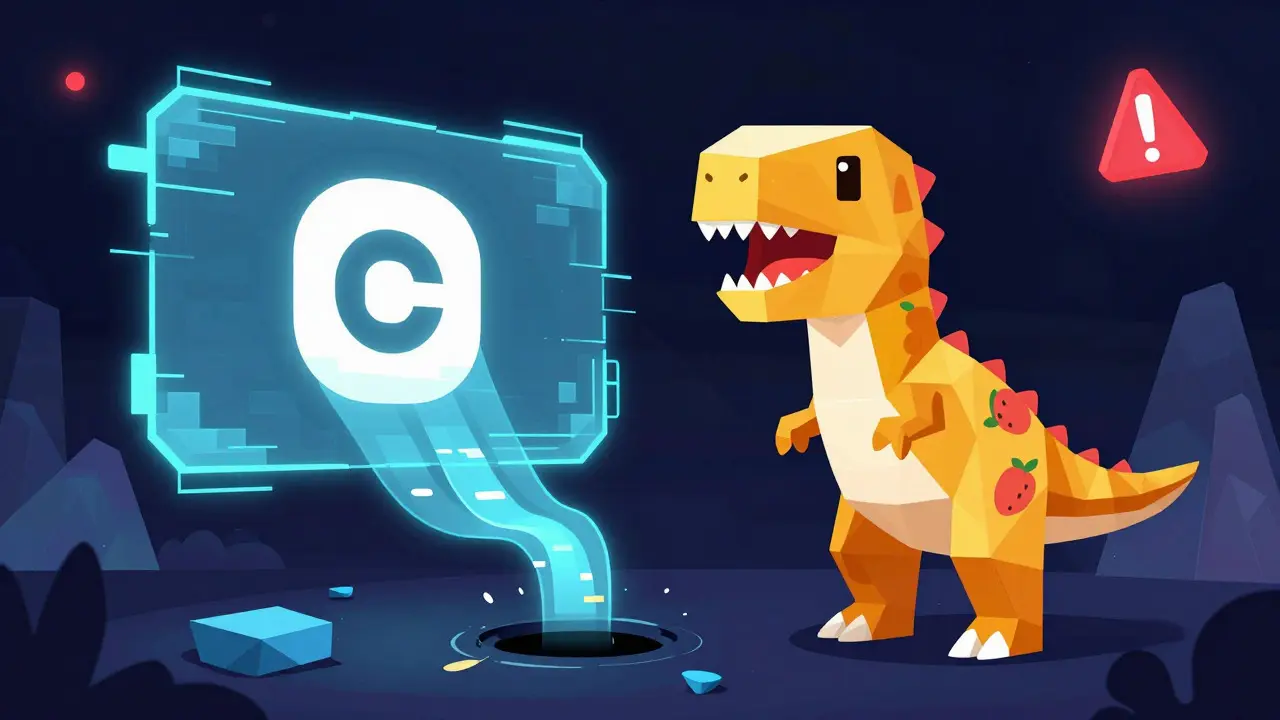
Frutti Dino X CMC Airdrop: Is It Real or a Scam? (2026 Analysis)
Have you seen the social media posts claiming that Frutti Dino is running an exclusive airdrop in partnership with CoinMarketCap? If you clicked on a link promising free FDT tokens, stop right there. As of mid-2026, there is no official record of a legitimate "Frutti Dino X CMC" airdrop. In fact, multiple security firms and community watchdogs have flagged these claims as high-risk phishing attempts designed to drain your wallet.
The cryptocurrency space moves fast, and scammers are faster. They exploit the excitement around new projects and big names like CoinMarketCap to trick users into connecting their wallets. This guide breaks down exactly what Frutti Dino is, why this specific airdrop claim is likely fake, and how you can protect your assets from similar traps in the future.
What Is Frutti Dino (FDT)?
To understand the risk, we first need to look at the project itself. Frutti Dino is a blockchain-based NFT gaming project launched in 2022. It falls under the GameFi sector, combining play-to-earn mechanics with dinosaur-themed gameplay. The premise involves players using unique dinosaur characters to defend their dens against wild mutants.
While the concept sounds fun, the financial reality tells a different story. According to data available through late 2025, the FDT token has shown extremely limited market activity. Key metrics include:
- Total Supply: Approximately 993.23 million FDT.
- Circulating Supply: Only about 73.98 million FDT.
- Trading Volume: Often reported as zero or negligible.
- Price: Historically volatile with periods of near-zero value.
This massive gap between total supply and circulating supply is a red flag. It suggests that most tokens are held by insiders or locked up, leaving little liquidity for regular traders. When a project has almost no trading volume, it becomes a prime target for scams because there is no real market price to anchor user expectations.
The "CMC Partnership" Myth
The core of the scam lies in the false claim of a partnership with CoinMarketCap, often abbreviated as CMC. CoinMarketCap is one of the world’s largest cryptocurrency data aggregators. While they do host listings for thousands of tokens, they rarely run direct airdrops themselves.
Here is how legitimate CoinMarketCap initiatives work versus how this scam operates:
| Feature | Legitimate CMC Activity | Fake Frutti Dino Claim |
|---|---|---|
| Anouncement Source | Official blog.coinmarketcap.com | Social media DMs, Telegram groups |
| Wallet Requirement | Optional or via verified app | Mandatory connection to unknown site |
| Fees | Standard gas fees only | Requests for "approval" or upfront payment |
| Verification | Public on-chain records | No verifiable contract address |
CoinMarketCap’s CEO, Dex Zhou, has publicly stated that the company takes legal action against entities impersonating its brand for airdrop scams. In late 2025 alone, CMC targeted dozens of such cases. If Frutti Dino were truly partnering with them, you would see a press release on the main CoinMarketCap website, not just a rumor on Twitter.
Red Flags: How to Spot the Scam
Scammers use psychological triggers-fear of missing out (FOMO) and greed-to bypass your logical thinking. Here are the specific warning signs associated with the Frutti Dino X CMC claim:
- Zero Trading Volume: Legitimate airdrops usually involve tokens with active markets. Frutti Dino’s near-zero volume means even if you received tokens, selling them could be impossible without crashing the price to zero.
- Urgency Tactics: Messages often say "Claim within 24 hours or lose eligibility." Real projects give users time to verify details.
- Unknown Domains: Check the URL. Does it end in .com, .org, or a known exchange domain? Or does it look like a random string of letters? Fake sites often mimic the look of CoinMarketCap but use slightly altered URLs.
- Wallet Connection Requests: If a site asks you to connect your MetaMask or other wallet to "claim" free tokens, be suspicious. Many malicious contracts use this connection to approve unlimited spending of your assets.
Security researcher Michael Marcus from SlowMist noted in 2025 that any airdrop claiming a CoinMarketCap partnership without official verification should be treated as high-risk. In August 2025 alone, over 1,200 similar scams were documented.
How to Verify Any Crypto Airdrop
You don’t have to trust us; you can verify the facts yourself. Here is a step-by-step process to check if any airdrop is real:
Step 1: Check Official Channels
Go directly to the project’s official website and social media accounts (Twitter/X, Discord). Look for pinned posts or announcements. If the "airdrop" is only mentioned by third-party influencers or random Telegram bots, it’s likely fake.
Step 2: Use Blockchain Explorers
Visit Etherscan (for Ethereum-based tokens). Paste the token contract address (e.g., 0x3a59...f2fF64 for FDT). Look at the "Holders" tab. If a few wallets hold 90%+ of the supply, the token is centralized and risky. Also, check the "Transfers" tab to see if there is any recent activity.
Step 3: Review Token Approval
Before interacting with any new site, use tools like Revoke.cash. This tool shows which websites have permission to spend your tokens. If you see approvals for unknown contracts, revoke them immediately.
Step 4: Consult Security Databases
Check platforms like TokenSniffer or RugDoc. These services analyze smart contracts for vulnerabilities. For Frutti Dino, reports have highlighted discrepancies in supply metrics, labeling it as extreme risk for manipulation.
The Bigger Picture: GameFi Scams in 2026
The Frutti Dino case is not an isolated incident. According to Chainalysis’ 2025 Crypto Crime Report, gaming token airdrop scams account for 34% of all DeFi-related fraud. Why are GameFi projects so popular targets?
Because they attract beginners. New investors are often less familiar with blockchain security than seasoned traders. Scammers know this. They create flashy websites with cartoonish graphics (like dinosaurs) to appeal to a younger or less experienced audience. Then, they leverage the name of a trusted entity like CoinMarketCap to add a veneer of legitimacy.
In Q3 2025, the average loss per victim in these scams was $1,200. With over 1,800 fake airdrop campaigns identified that quarter, the total losses reached hundreds of millions of dollars. Regulatory bodies like the FTC and SEC have begun issuing warning letters to projects making false partnership claims, but enforcement lags behind innovation.
Protecting Your Wallet: Best Practices
So, how do you stay safe while exploring the crypto world? Follow these rules:
- Use a Burner Wallet: Never connect your main wallet (the one holding your life savings) to unverified dApps. Use a separate wallet with only small amounts of ETH for testing.
- Enable Hardware Security: Consider using a hardware wallet like Ledger or Trezor. These keep your private keys offline, making it harder for malware to steal them.
- Skeptical of "Free": In crypto, nothing is truly free. Even legitimate airdrops require you to pay gas fees. If something sounds too good to be true, it is.
- Stay Updated: Follow reputable news sources like CoinDesk or The Block. They report on major scams and regulatory actions quickly.
If you’ve already connected your wallet to a suspicious Frutti Dino site, act fast. Go to Revoke.cash, find the suspicious approval, and revoke it. Then, move your remaining funds to a new wallet address. Monitor your transactions on Etherscan to ensure no unauthorized transfers occur.
Conclusion: Stay Vigilant
The "Frutti Dino X CMC" airdrop is a classic example of a phishing scam exploiting trust in major brands. By understanding the basics of tokenomics, verifying sources, and using security tools, you can avoid falling victim. Remember, in the decentralized world, you are your own bank. That power comes with responsibility. Always double-check, always verify, and never rush.
Is the Frutti Dino (FDT) token still active?
Yes, the token exists on the blockchain, but it has extremely low trading volume and liquidity. This makes it difficult to buy or sell without significant price impact. The lack of activity raises concerns about the project's long-term viability.
Does CoinMarketCap run official airdrops?
Rarely. CoinMarketCap primarily provides data and listings. When they do partner on promotions, they announce them officially on their blog and verified social channels. They never ask for private keys or seed phrases.
How can I check if an airdrop is a scam?
Verify the announcement on the project’s official website and CoinMarketCap’s blog. Check the token contract on Etherscan for holder distribution. Use tools like Revoke.cash to manage wallet approvals. If the site looks unofficial or demands urgent action, it’s likely a scam.
What happened to my wallet if I connected to the fake Frutti Dino site?
If you only connected but didn't sign a transaction, you might be safe. However, if you approved a token transfer, scammers may have drained your assets. Immediately revoke approvals using Revoke.cash and move funds to a new wallet address.
Why are GameFi projects targeted by scammers?
GameFi attracts many new investors who may lack deep knowledge of blockchain security. Scammers use attractive themes (like dinosaurs) and false partnerships to lure these users. The complexity of smart contracts also allows scammers to hide malicious code easily.