
Quarterly Futures: What They Are, How They Work, and Why Traders Care
When you trade quarterly futures, a type of financial contract that locks in a price for settlement three months from now. Also known as quarterly derivative contracts, they let traders bet on where an asset like Bitcoin or Ethereum will be in 90 days—without owning it. Unlike daily or weekly contracts, quarterly futures are built for longer-term positioning. They’re not just for speculators; hedge funds, DeFi protocols, and even crypto miners use them to lock in prices and reduce risk.
These contracts settle on a fixed date—usually the last Friday of March, June, September, or December—and are tied to the spot price at that moment. That’s why they matter: if you’re holding a lot of crypto and worry about a summer dump, you can sell quarterly futures now to protect your value. Or if you think Bitcoin will hit $100K by September, you can buy futures now and cash in later. Platforms like Binance, Bybit, and OKX offer them, but even DeFi protocols like Aave, a leading DeFi lending protocol that enables margin trading and collateralized positions let users build similar exposures using smart contracts. The key is understanding leverage. Quarterly futures often allow 5x, 10x, or even 50x exposure, which can turn small moves into big wins—or total losses.
What’s interesting is how quarterly futures expose hidden market dynamics. Take the kimchi premium, the price difference between Bitcoin in South Korea and global markets. Traders watch quarterly futures to see if the premium will shrink or grow by quarter-end. Or look at how privacy coins, like Monero and Zcash, are being targeted by regulators. When exchanges delist them, traders shift to futures markets to keep exposure alive. That’s why you’ll find posts here about failed airdrops, dead tokens, and risky exchanges—because quarterly futures don’t care if a coin is dead. If there’s still trading volume, someone’s betting on it.
You’ll see real examples below: how BitOrbit’s IDO crashed to $2,830 while futures traders still moved in and out of it. How Meteora DAMM v2 rewards liquidity providers during volatility—exactly the kind of market where quarterly futures thrive. How Russian banks freeze crypto withdrawals, forcing traders to hedge with futures instead of cashing out. These aren’t abstract financial tools. They’re survival mechanisms for people who trade in unstable, unpredictable markets. Whether you’re trying to avoid a scam, protect your portfolio, or just understand why prices jump at quarter-end, the posts here show you how quarterly futures shape real outcomes—no theory, no fluff, just what happened and why it matters.
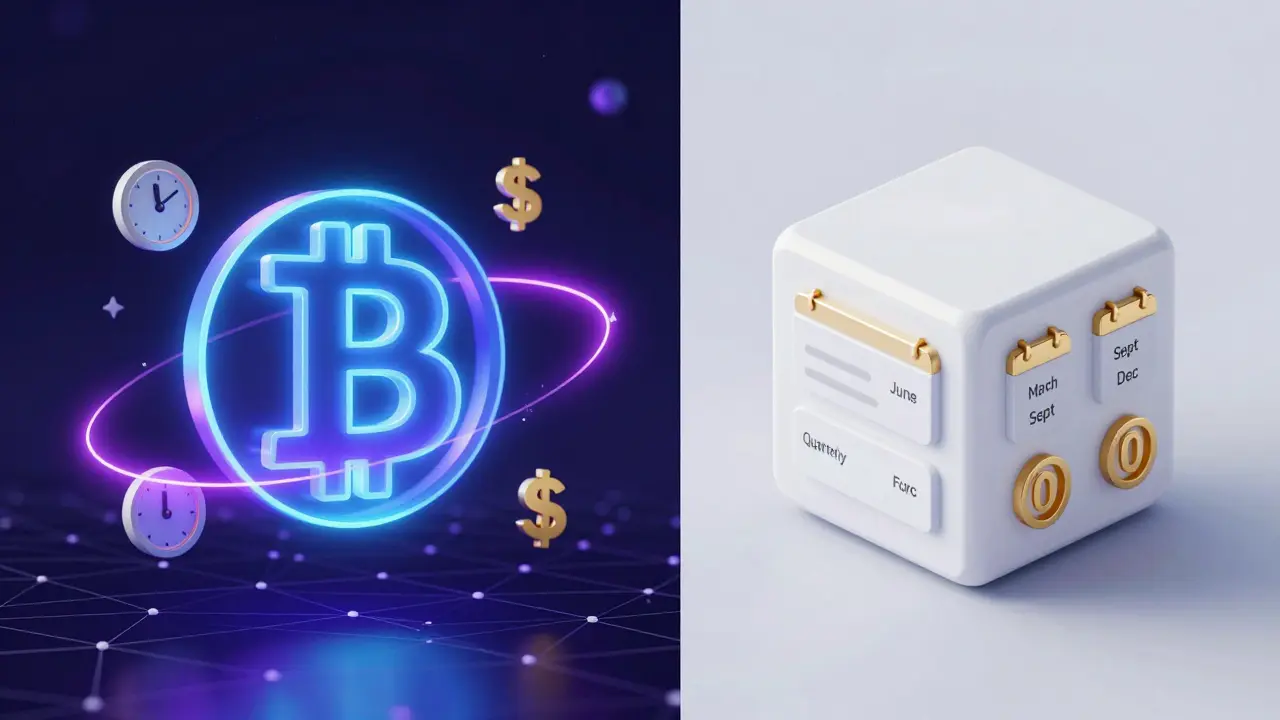
Perpetual Futures vs Quarterly Futures: Which Crypto Derivative Fits Your Strategy?
Perpetual futures offer 24/7 trading with funding fees; quarterly futures have no fees but expire every three months. Learn which one fits your trading style and holding period.
Read MoreLatest Post
-

-

-

What Are DeFi Money Legos? A Simple Guide to Composable Finance 5 February 2026
-
-
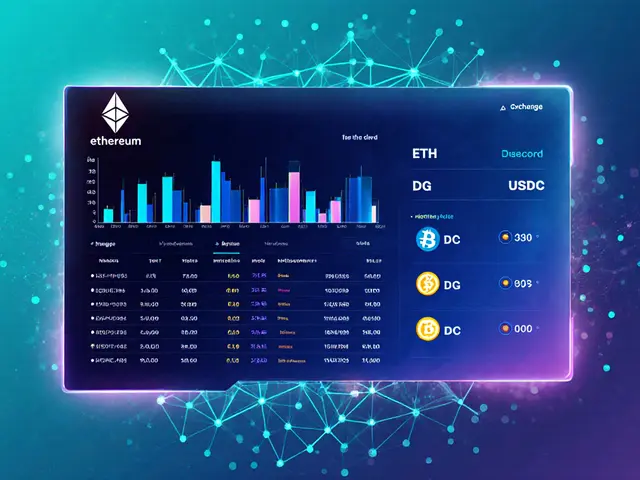
DeGate Exchange Review: Fees, Liquidity, and zkRollup Tech 14 October 2025