
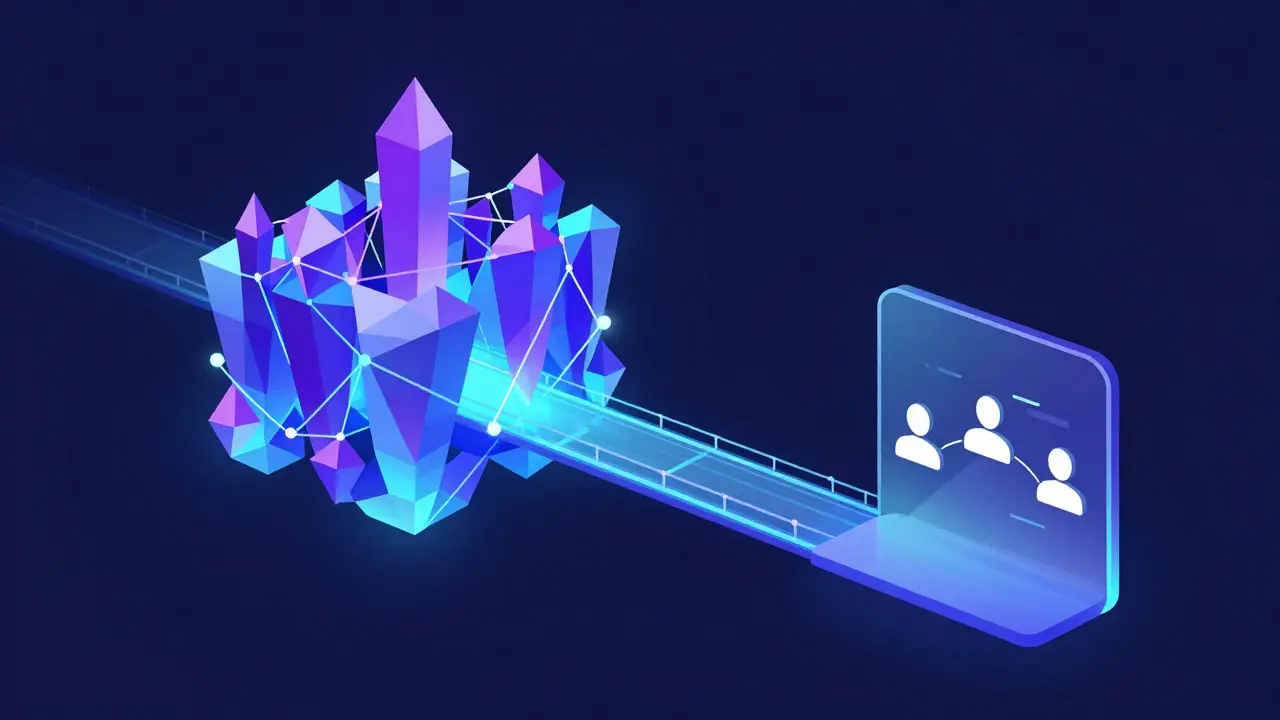
BlockSwap Network StakeHouse NFT Airdrop: Everything You Need to Know
Getting a free token is great, but landing a rare NFT that grants you special powers in a DeFi ecosystem is even better. If you've been hearing buzz about the BlockSwap Network is a permissionless web3 infrastructure layer designed for multichain composable ETH and modular Ethereum blockspace., you're likely wondering how to get your hands on their latest rewards. The project is pushing hard to make Ethereum staking less intimidating for the average person, and their airdrop campaigns are a key part of that growth strategy.
The Core of BlockSwap: More Than Just Tokens
Before jumping into the airdrop details, it's worth understanding what you're actually interacting with. BlockSwap isn't just another coin; it's building a bridge between complex Ethereum Proof of Stake (PoS) mechanics and everyday users. Their flagship product, StakeHouse, acts as a decentralized liquid staking platform. In plain English: it lets you stake your ETH to earn rewards without locking your funds away in a vault where you can't touch them.
The network uses a native token called CBSN, which serves as the fuel for this infrastructure. While the project had its Token Generation Event (TGE) back in April 2021, the focus has shifted toward expanding the ecosystem through CommunityNet operations and stress-testing their smart contracts in real-world environments.
Decoding the StakeHouse NFT Airdrop
Airdrops in the BlockSwap ecosystem usually target active participants in the StakeHouse CommunityNet. Unlike standard token drops, these NFT-based rewards are often tied to the "Batch" system. To understand the NFT value, you first have to understand StakeHouse Batch (SHB) tokens. These are essentially minter tokens that allow users to create batches representing a 32 ETH deposit simulation.
When BlockSwap runs an NFT airdrop, they aren't just giving away digital art. These NFTs often represent a stake in the protocol's ability to coordinate liquidity. For example, past campaigns have seen prize pools worth $2,500 in CBSN tokens distributed to those who engaged with the CommunityNet. If you're hunting for the latest NFT drop, you need to be active in the governance and testing phases of the protocol, as these are the primary triggers for reward eligibility.
| Entity | Primary Function | Key Attribute | User Benefit |
|---|---|---|---|
| CBSN Token | Native Utility Token | 5B Max Supply | Network Governance |
| SHB Token | Batch Minter | Exclusive Access | ETH Deposit Simulation |
| StakeHouse | LSD Platform | Permissionless | Liquid Staking Rewards |
| OpenSaver | Savings Mechanism | 7% USD Yield | Low-barrier Passive Income |
How to Position Yourself for Future Airdrops
If you missed the initial rounds, don't worry. The way BlockSwap operates suggests that rewards go to those who actually use the tech. Here is a practical roadmap to increasing your chances for the next crypto airdrop event:
- Join the CommunityNet: This is where the project stress-tests its contracts. Being an early tester is the most reliable way to get on an airdrop list.
- Interact with SHB Tokens: Since SHB tokens are used to mint batches, participating in the batching process signals to the protocol that you are a power user.
- Utilize OpenSaver: By using their Universal Basic Saving tool to earn USD yield, you integrate yourself into the broader BlockSwap economy.
- Monitor Social Channels: BlockSwap doesn't announce drops on major exchanges first; they use their own community channels.
The Technical Safety Net: Is it Safe?
One big worry with airdrops is the "rug pull" or a buggy smart contract that drains your wallet. BlockSwap has taken a different approach by focusing heavily on formal verification. They've brought in heavy hitters like Halborn and Certora to audit their code. This means the logic governing the airdrops and the liquid staking is scrutinized by professionals to prevent vulnerabilities.
However, remember that DeFi always carries inherent risks. Market volatility can change the value of your CBSN tokens in minutes, and regulatory shifts in the Ethereum ecosystem can affect how liquid staking is viewed globally. Always use a separate "burner" wallet when connecting to new airdrop portals to keep your main assets safe.
The Big Picture: Why This Matters for Ethereum
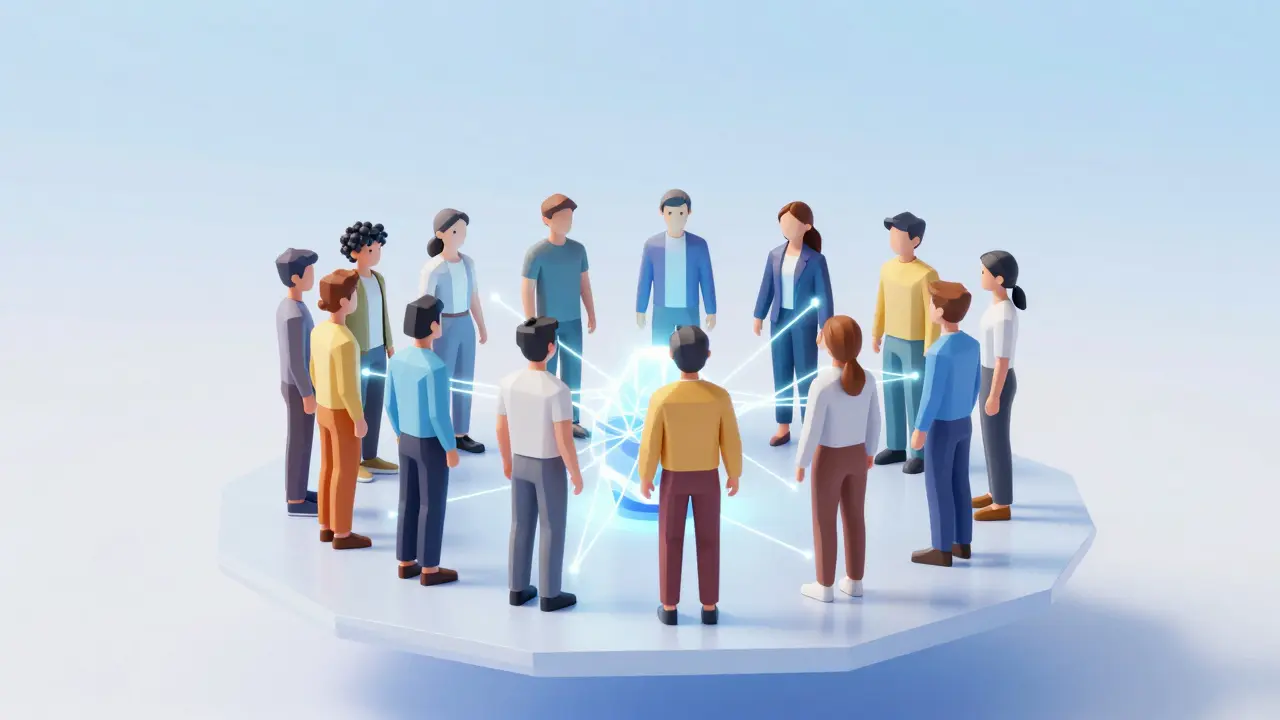
Why go through the trouble of a complex NFT airdrop? Because BlockSwap is trying to solve a real problem: the 32 ETH requirement. For a long time, solo staking was only for the wealthy. By using ERC20 tokens to abstract this liquidity, BlockSwap allows someone with 0.1 ETH to get the same proportional benefits as a whale. The NFTs and airdrops are simply the "carrot' used to bring users into this more democratic system.
What is the BlockSwap Network?
BlockSwap Network is a web3 infrastructure layer that focuses on modular Ethereum blockspace and multichain composability, primarily through its liquid staking platform called StakeHouse.
How do I qualify for the StakeHouse NFT airdrop?
Most airdrops are targeted at participants of the StakeHouse CommunityNet. You can increase your chances by testing the protocol's contracts, engaging with SHB tokens, and using the OpenSaver tool.
What is the difference between CBSN and SHB tokens?
CBSN is the native utility token of the entire BlockSwap Network. SHB (StakeHouse Batch) tokens are specialized tokens used specifically to mint batches that simulate 32 ETH deposits for stress testing.
Is the BlockSwap protocol secure?
Yes, the protocol has undergone multiple audits and formal verifications by reputable firms including Halborn, Solidified, Runtime Verification, and Certora.
What is OpenSaver?
OpenSaver is a tool by BlockSwap that allows users to earn a stable 7% USD yield on their native currency using the Automated Asset Market Maker of StakeHouse.
Next Steps for New Users
If you're just getting started, don't rush into the airdrop hunt without a plan. First, set up a dedicated MetaMask or Rabby wallet for your DeFi experiments. Second, explore the StakeHouse documentation to understand how liquid staking works. Finally, join the community forums; this is where the real-time updates about reward eligibility usually surface before they hit the mainstream news.



17 Comments
Iestyn Lloyd
April 28, 2026 at 21:32
It's quite a sensible approach to use a burner wallet here. Most people overlook that basic security step when they're chasing airdrops, but it's essential for mitigating risk in any new DeFi interaction.
Noel Mandotah
April 29, 2026 at 12:51
Oh wow, another "revolutionary" bridge to make staking easy. Groundbreaking stuff. Truly.
Michael Repak
April 30, 2026 at 07:15
This is such a helpful breakdown!!! I love how it explains the SHB tokens so clearly!!! Definitely worth looking into for anyone wanting to get involved!!!
April D Thompson
April 30, 2026 at 15:19
We're witnessing a shift in the very nature of wealth distribution through these modular blockspaces. It's not just about the money, it's about the democratization of the infrastructure that powers our digital existence. The idea that a small player can mirror a whale's influence is honestly poetic in a chaotic, decentralized kind of way. It breaks the old cycle of the rich getting richer by simply owning the entry gate. When we talk about liquid staking, we're really talking about fluid power. I can see a future where these kinds of protocol layers make the traditional banking system look like a dusty museum. It's an invitation to think about how we value contribution over sheer capital. Every batch minted is like a small vote for a more open system. The drama of the airdrop is just the hook to get us into the deeper philosophical conversation about ownership. I love the energy of this transition. It feels like we are finally building the tools for a truly global, inclusive economy where the barriers are code, not zip codes or bank balances. Let's actually embrace this chaos and see where the rabbit hole leads us.
VIVEK SINGH
May 2, 2026 at 05:44
Imagine thinking a "free" NFT is a gift from the heavens. It's just a marketing gimmick to inflate their metrics before the VCs dump their bags on you. But hey, please continue simulating 32 ETH deposits while they "stress test" your gullibility.
Brendan Thraxton
May 4, 2026 at 00:58
getting into the communitynet is definitely the move if you want those rewards just keep an eye on the forums for the latest updates
Emily A
May 5, 2026 at 23:40
The distinction between CBSN and SHB is fundamental to understanding the network's utility. One provides governance, while the other enables a specific technical simulation; confusing the two is a common error among novices.
Gabby Puche
May 7, 2026 at 21:04
Love this 💖 definitely going to try out OpenSaver for that yield! 🚀✨
Lynne Teperman
May 9, 2026 at 05:14
fancy little way to bypass the 32 eth wall. definitely a vibe for the small fry
Rachel S
May 9, 2026 at 17:11
I must emphasize that the formal verification by Certora and Halborn is a significant detail. It provides a level of assurance that is often missing in the initial phases of DeFi projects. 🧐
Rushell Perry
May 11, 2026 at 01:57
using a burner wallet is a great tip for everyone starting out keep it safe
Aaron Zeiler
May 12, 2026 at 17:17
just check the docs for the batching process if you get stuck its pretty straightforward
Barbara Jones
May 13, 2026 at 20:02
i triied to join the communty net but the link was acting up for me hope it works soon
Andrew Todd
May 14, 2026 at 16:47
Typical garbage. Only a fool would trust these fake networks. American projects do it better anyway.
Sri Astuti
May 16, 2026 at 14:09
The sheer audacity of suggesting that a 7% yield in a volatile market is a safe "savings mechanism" is absolutely laughable, and frankly, it shows a complete lack of understanding of the underlying risk vectors involved in automated asset market makers where the slippage could potentially eat your entire principal before you even realize the smart contract has a flaw that the auditors somehow missed because they were probably paid to overlook it 🙄.
Kara Spadone
May 17, 2026 at 01:44
Manifesting these gains for everyone! Just remember that the energy you put into the community is what the protocol reflects back to you 🌟🙏
edie rosa
May 17, 2026 at 06:44
It's honestly disgusting how these projects lure in people with "free" NFTs while ignoring the environmental cost of this entire infrastructure. We're just trading one form of corporate greed for another under the guise of decentralization.