
Cryptocurrency in Pakistan: How People Use Crypto Despite the Ban
Even though the State Bank of Pakistan banned cryptocurrency in 2021, cryptocurrency in Pakistan, digital money used by millions to send money home and protect savings from inflation. Also known as crypto remittances, it’s become a lifeline for families relying on overseas workers. Banks are slow, fees are high, and the Pakistani rupee keeps losing value. So people turned to Bitcoin, USDT, and other tokens—using WhatsApp, Telegram, and local P2P traders to move money without banks.
It’s not illegal to hold crypto, just illegal to trade it through regulated exchanges. That’s why underground networks thrive. A worker in Saudi Arabia sends $500 in USDT to his family in Lahore. They cash out through a local seller for PKR, no paperwork, no waiting. These deals happen daily, often face-to-face in markets or through trusted friends. The P2P crypto Pakistan, peer-to-peer trading networks that bypass official channels. Also known as crypto local traders, they’re the real backbone of Pakistan’s crypto scene. Unlike in countries with open exchanges, there’s no app to download—just word of mouth and encrypted chats.
Why does this work? Because the demand is too strong to ignore. Remittances make up nearly 7% of Pakistan’s GDP. When banks charge 10% to send money, crypto cuts that to under 2%. And with inflation hitting 30% in some years, holding crypto is safer than keeping cash in a bank. The government talks about regulation, but enforcement is patchy. Rural areas don’t have crypto police—just people with phones and trust.
You’ll find stories here about how users avoid scams, pick the right tokens, and stay safe. Some use USDT because it’s stable. Others trade Bitcoin when rates are high. A few even earn through mining or staking, though that’s rare. The posts below show real cases: how someone in Karachi bought their first crypto, how a student in Faisalabad used it to pay for online courses, and why a trader in Multan switched from hawala to USDT. These aren’t theory pieces—they’re lived experiences.
There’s no official support, no bank backing, no safety net. But in Pakistan, crypto isn’t about speculation—it’s about survival. And that’s why it’s not going away anytime soon.
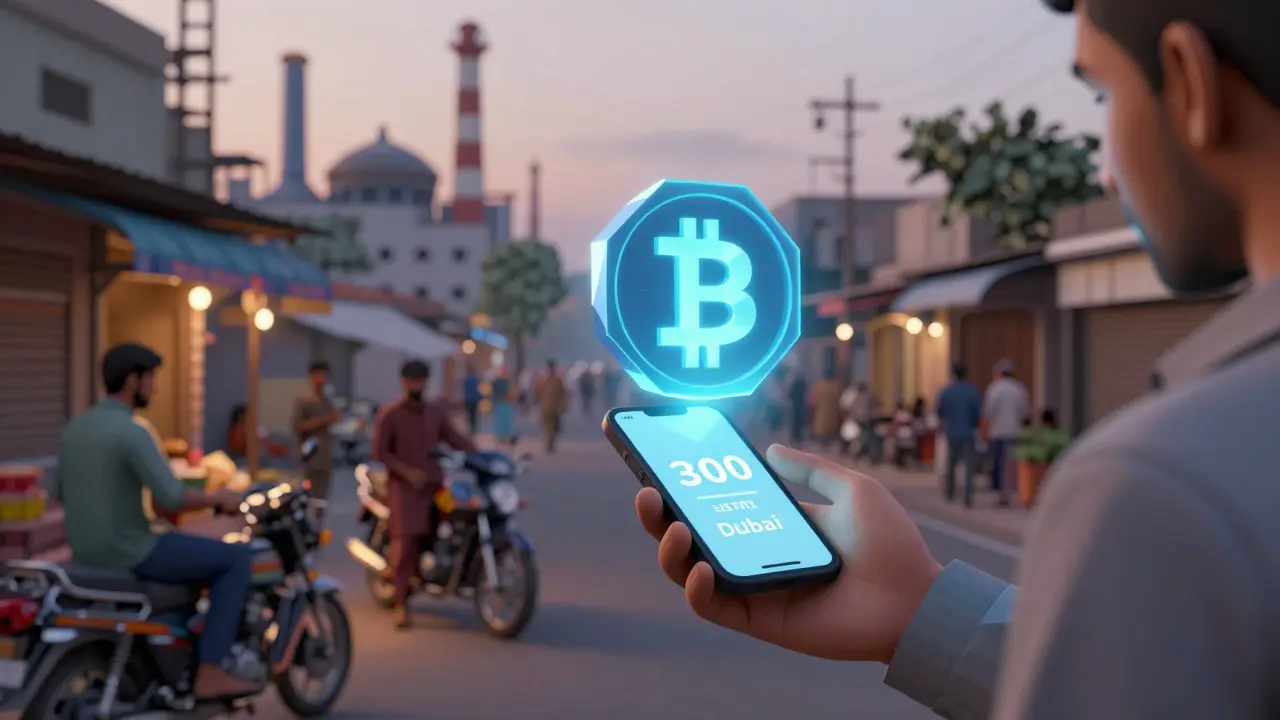
Why Pakistan Ranks 3rd-4th in Global Crypto Adoption Despite Past Restrictions
Pakistan rose from banning crypto in 2018 to ranking 3rd-4th globally in adoption by 2025 - not because of speculation, but because millions use stablecoins to protect savings and send remittances amid economic instability.
Read More