
Blockchain Technology: Foundations, Scaling, and Real‑World Uses
When working with Blockchain Technology, a decentralized ledger that records transactions across many computers. Also known as distributed ledger tech, it enables trust‑less interactions without a central authority. Consensus Algorithms, the rules that determine how nodes agree on the state of the ledger, are the heartbeat of any blockchain. Layer 2 Scaling, off‑chain protocols that boost transaction speed and cut fees, extend the base chain’s capacity. Smart Contracts, self‑executing code that runs automatically when conditions are met, turn simple transactions into programmable agreements. Finally, Tokenization, the process of converting real‑world assets into digital tokens on a blockchain, opens new markets for ownership and trade.
Understanding these pieces helps answer core questions: Blockchain Technology encompasses Consensus Algorithms, because without a way to reach agreement the ledger can’t stay consistent. It requires Cryptographic Hash Functions, which lock data into immutable blocks and enable fast verification. Layer 2 solutions influence Transaction Costs, as they move most activity off the main chain, dramatically lowering gas fees. Meanwhile, Smart Contracts enable Decentralized Finance, where Tokenization gives fractional ownership of assets like real estate or art. The evolution from Proof‑of‑Work to Proof‑of‑Stake, and now to hybrid models like Avalanche, shows how consensus design directly impacts energy use and network security. Sharding versus Layer 2 debates illustrate the trade‑off between on‑chain data distribution and off‑chain throughput, each fitting different use cases—from high‑frequency trading to long‑term data storage.
Below you’ll find a curated set of guides that walk through each of these topics in depth. Whether you’re curious about hash rate dynamics, want a step‑by‑step look at Bitcoin mining, or need practical advice on building state channels, the articles cover both theory and hands‑on examples. Explore how blockchain reshapes real‑estate deals, charity donations, voting systems, and cross‑chain interoperability. Each piece breaks down complex ideas into clear, actionable steps, so you can see how the technology works today and where it’s headed tomorrow. Dive in to see the full range of coverage and start applying these insights to your own projects.

Hard Fork vs Soft Fork in Cryptocurrency: What You Need to Know
Hard forks split blockchains and create new coins. Soft forks upgrade them quietly. Learn how each works, when they happen, and what it means for your crypto holdings.
Read More
Why Bitcoin Uses SHA-256 Hashing Algorithm
Bitcoin uses SHA-256 because it’s the most secure, battle-tested hash function available. It secures transactions, enables mining, and has resisted attacks for over 15 years - making it the backbone of $1.2 trillion in digital assets.
Read More
Tracking Charity Funds with Blockchain: How Donors Can See Every Penny Go
Blockchain lets donors see every dollar they give - from donation to delivery. No more guessing. No more hidden fees. Just transparent, verifiable impact.
Read More
How Blockchain Tracks Charity Funds with Full Transparency
Blockchain transforms charity giving by making every donation traceable, transparent, and tamper-proof. See how smart contracts and public ledgers let donors watch their money reach those in need - step by step.
Read More
Future of Metaverse Technology: How Blockchain Is Shaping the Next Digital Frontier
The future of metaverse technology is being shaped by blockchain, enabling real digital ownership, interoperability, and new economic models. Discover how NFTs, Web3, and AI are turning virtual spaces into legitimate business platforms.
Read More
Understanding Transparency in Blockchain Networks
Blockchain transparency means all transactions are public, verifiable, and unchangeable. It builds trust without middlemen, powers smart contracts, and is transforming supply chains, governance, and finance.
Read More
How DePIN Projects Work: Decentralized Infrastructure Powered by Blockchain
DePIN projects use blockchain to turn everyday hardware into income-generating infrastructure. Learn how tokenized rewards for sharing bandwidth, storage, and energy are building a decentralized future.
Read More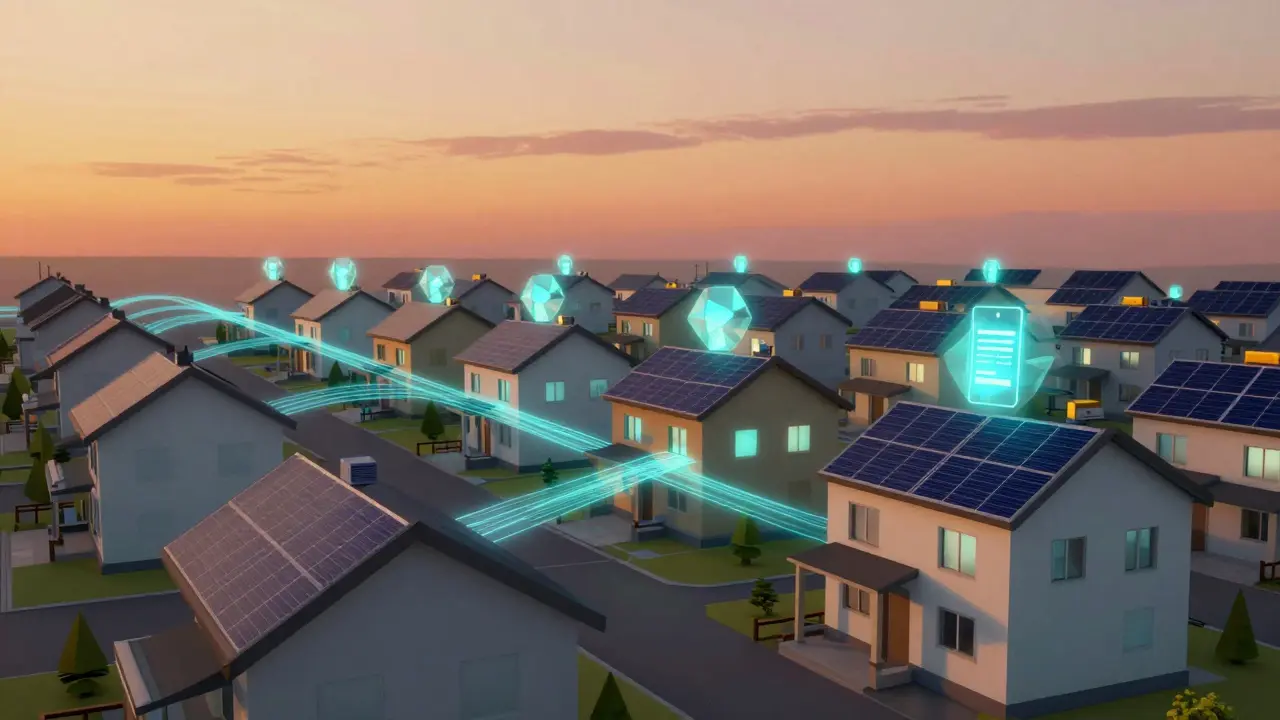
How Blockchain Enables Energy Markets
Blockchain enables peer-to-peer energy trading, tracks renewable certificates, and automates grid management with smart contracts - cutting costs, boosting transparency, and empowering households to become energy producers.
Read More
Lightning Network as a State Channel: How Bitcoin Gets Instant, Cheap Payments
The Lightning Network is a state channel built for Bitcoin that enables instant, low-cost payments off-chain. With over 89,000 active channels and fees as low as $0.0002, it solves Bitcoin's scalability issues without compromising security.
Read More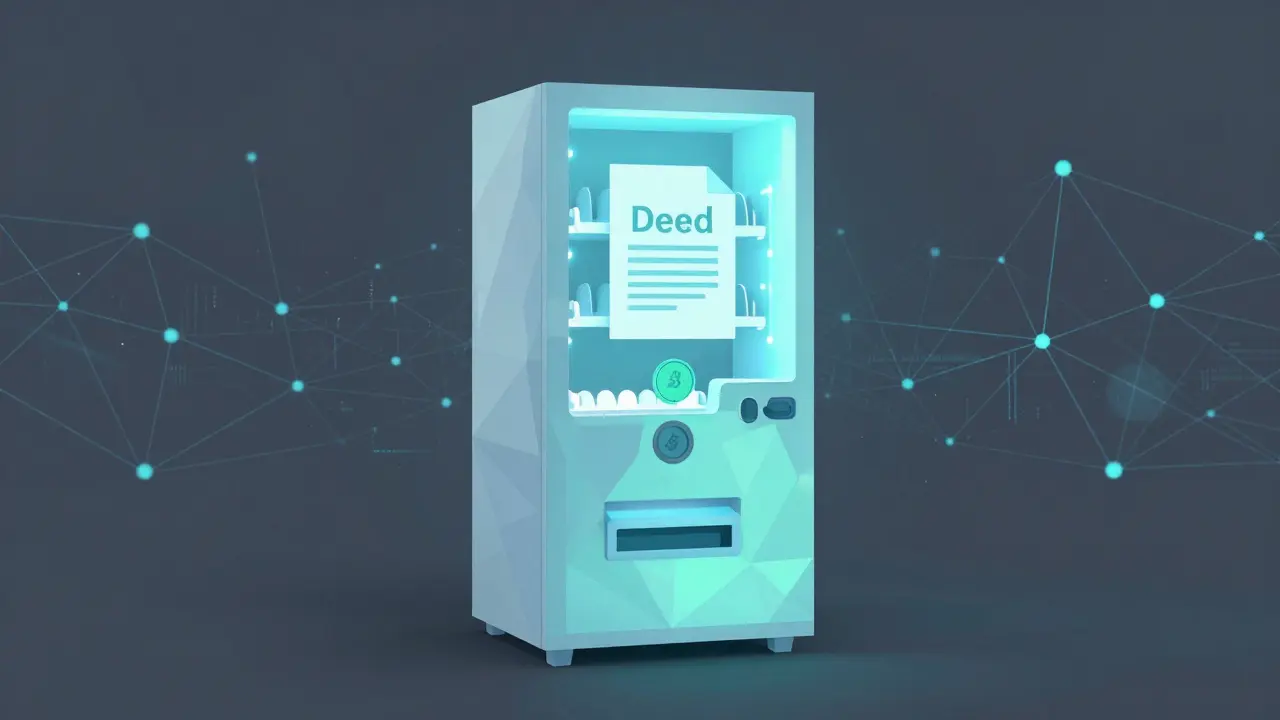
What Are Smart Contracts on Blockchain? A Simple Breakdown
Smart contracts are self-executing agreements on blockchain networks that automatically trigger actions when conditions are met. They remove intermediaries, cut costs, and increase transparency in finance, insurance, real estate, and more.
Read More
Economic Finality in Proof of Stake: How Blockchain Achieves Irreversible Transactions
Economic finality in Proof of Stake ensures transactions are irreversible by making reversal financially impossible. Ethereum's system slashes staked ETH if validators cheat, creating security through cost-not computation. It's faster than Bitcoin and powers most DeFi today.
Read More
Diversifying Across Blockchain Sectors: Where to Invest Beyond Crypto
Diversifying across blockchain sectors means investing beyond crypto into healthcare, real estate, energy, and supply chain applications. Discover where the real growth is happening and how to position yourself for long-term value.
Read MoreLatest Post
-

-

BitHash Crypto Exchange Review: Low Fees, High Risks 23 November 2025
-

-

Why Block Structure Matters in Cryptocurrency 16 November 2025
-

Stellarport Crypto Exchange Review: Features, Fees & Security 5 September 2025